Does Stress Weaken Your Immune System?
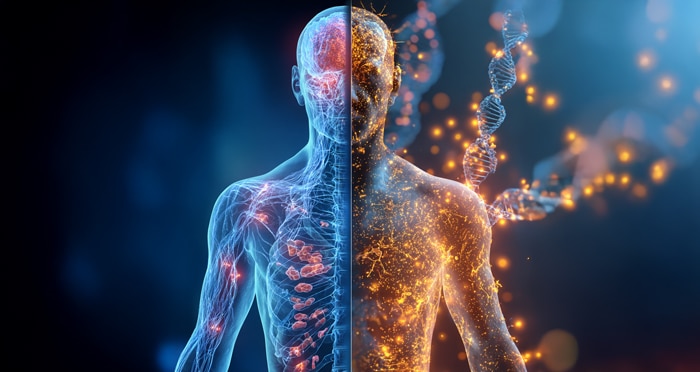
Story-at-a-Glance
- Stress fundamentally alters immune cell behavior through two primary pathways—the HPA axis and sympathetic nervous system—creating a cascading effect that disrupts sleep quality
- Short-term stress can actually boost immunity temporarily, but chronic stress suppresses immune defenses and increases inflammation, creating a vicious cycle with sleep disruption
- Recent research reveals stress-induced immune changes persist far longer than the stressor itself, with sleep deprivation causing DNA-level alterations in immune stem cells that last for weeks
- The stress-immune-sleep connection is bidirectional: poor sleep weakens immunity while immune activation disrupts sleep architecture, particularly through inflammatory cytokines
- Understanding these dynamic mechanisms—rather than focusing on static immune “anatomy”—reveals targeted pathways for breaking the stress-sleep-immunity cycle through lifestyle interventions
I still remember the patient observation that changed how I think about stress and immunity. Dr. Sheldon Cohen at Carnegie Mellon University had been running viral challenge studies for years—deliberately exposing healthy volunteers to cold viruses to see who got sick. What emerged wasn’t just confirmation that stressed people catch more colds. It was something more unsettling. The relationship between stress and its effects on the immune system reveals how our body’s protective mechanisms can become our worst enemy, especially when sleep enters the equation.
In one particularly striking series of studies, Cohen’s team quarantined participants for five days after exposing them to rhinovirus. Those who’d experienced prolonged stressful events weren’t just slightly more vulnerable—their immune cells had become unresponsive to cortisol’s normal regulatory signals. The inflammatory response that should have been tightly controlled instead ran wild, producing the very symptoms the immune system was supposed to prevent. And here’s the connection most people miss: this immune dysregulation doesn’t just make you sick during the day. It fundamentally disrupts the very sleep your body needs to restore immune balance.
The Hidden Cascade: How Stress Rewires Your Immune Response
The traditional view of stress and its effects on the immune system focuses on simple suppression—stress weakens immunity, end of story. But recent research paints a far more complex and fascinating picture of dynamic, bidirectional processes. (Think of it less like turning down a thermostat and more like disrupting an intricate dance between multiple partners.)
When you experience stress, your body activates two primary communication highways. These are the hypothalamic-pituitary-adrenal (HPA) axis and the sympathetic nervous system. These pathways flood your bloodstream with hormones like cortisol and catecholamines (adrenaline and norepinephrine). Here’s where things get interesting—and relevant to why you can’t sleep.
Research published in the Proceedings of the National Academy of Sciences analyzed more than 300 studies. The findings reveal that acute stressors (lasting just minutes) actually enhance some immune parameters. Natural killer cells and neutrophils mobilize into circulation, preparing your body for potential injury. It’s an elegant evolutionary adaptation: if a predator is chasing you, your immune system positions defenders where wounds might occur.
But chronic stress? That tells a completely different story.
melatonin for sleep difficulties in elderly populations CHECK PRICE AND BUY ON AMAZON
When Protection Becomes Pathology: The Chronic Stress Paradox
Dr. Filip Swirski, Director of the Cardiovascular Research Institute at Mount Sinai and a leading researcher in neuroimmunology, has spent years unraveling how stress and its effects on the immune system cascade through the body. His work reveals something counterintuitive: it’s not just that stress weakens your defenses—it actively reprograms how immune cells behave.
In groundbreaking 2022 research on sleep restriction, Swirski’s team at Mount Sinai made a striking discovery. Six weeks of losing just 90 minutes of sleep per night altered the DNA structure inside immune stem cells. These changes persisted even after participants caught up on sleep. The cells produced more inflammatory immune cells and lost their protective effects, making infections worse rather than better.
Think about what this means: the stress-induced sleep disruption you experienced last month might still be affecting your immune function today.
The mechanism involves what researchers call “glucocorticoid resistance.” Under normal conditions, cortisol acts like a brake pedal on inflammation. But prolonged exposure to stress hormones causes immune cells to become desensitized to cortisol’s signals. (It’s similar to developing caffeine tolerance—your cells stop responding the way they should.) Without this regulatory brake, immune cells release excessive amounts of pro-inflammatory cytokines like interleukin-6 (IL-6) and tumor necrosis factor-alpha (TNF-α).
The Sleep Saboteur You’re Not Thinking About Here’s where stress and its effects on the immune system create a particularly vicious trap for people with insomnia. Those inflammatory cytokines don’t just cause daytime symptoms. They directly interfere with sleep architecture. Research published in Neuropsychopharmacology demonstrates that elevated IL-6 and TNF-α suppress deep slow-wave sleep, fragment sleep continuity, and reduce rapid eye movement sleep.
You read that correctly: the immune changes triggered by stress actively prevent the deep, restorative sleep your body needs to reset the immune system. It’s a perfect negative feedback loop.
A 2024 study published in Nature revealed an even more direct connection. Swirski and colleagues showed that immune cells called monocytes can actually enter the brain during stress, releasing an enzyme (matrix metalloproteinase 8) that restructures brain tissue and alters neuronal function. In stressed mice, this led to social withdrawal and impaired reward processing—behaviors strikingly similar to what we see in humans with chronic stress-related insomnia.
The research established a novel mechanism. Your immune system isn’t just affected by stress and sleep problems—it can directly cause them by changing brain function.
The Two-Hour Tipping Point: When Good Stress Goes Bad
One of the most intriguing findings about stress and its effects on the immune system comes from recent work published in December 2025. Researchers using transparent zebrafish (whose immune systems closely mirror human systems) discovered something remarkable: there’s a temporal threshold where stress flips from immune-enhancing to immune-suppressing.
During short-term stress (under two hours), immune cells mobilized toward the skin. They sampled the environment and prepared defenses. The immune system was primed and ready. But if stress lasted longer than two hours, the same protective response reversed—immune cells retreated, and immune function became suppressed.
This helps explain why your sleep problems might be worse during extended periods of workplace stress versus occasional acute stressors. The duration matters as much as the intensity. (And it suggests that our modern lifestyle of chronic, unremitting stress is particularly devastating for both immunity and sleep.)

The HPA Axis: Your Sleep System’s Worst Enemy
The hypothalamic-pituitary-adrenal axis deserves special attention because it’s the primary pathway linking stress, immunity, and sleep disruption. When activated, the HPA axis triggers cortisol release from the adrenal glands. In the short term, cortisol mobilizes energy and prepares you for action. But here’s the problem. Cortisol has a natural circadian rhythm that peaks in the morning and drops at night, facilitating sleep.
Chronic stress flattens this rhythm. Research on caregivers—people experiencing prolonged stress—shows they maintain elevated evening cortisol levels that should naturally decline. Studies published in Brain, Behavior, and Immunity found that this disrupted cortisol pattern correlates with both suppressed immune function and severe sleep fragmentation.
Additionally, chronically elevated cortisol reduces the production of antibodies and impairs T cell function—the very cells responsible for fighting viral infections and supporting immune memory. This is why people under chronic stress show reduced responses to vaccines. Research examining healthcare workers under sustained occupational stress found they produced 40% fewer protective antibodies following influenza vaccination compared to workers reporting lower stress levels—a finding that demonstrates how psychological stress translates directly into measurable immune impairment.
When Your Immune System Steals Your Sleep
Let me share an observation from sleep research that changed my understanding. The immune system doesn’t just get damaged by poor sleep—it actively regulates sleep under normal conditions. Certain cytokines like interleukin-1 and tumor necrosis factor aren’t just inflammatory signals; they’re also sleep regulatory substances.
Research in Physiological Reviews explains that these molecules accumulate during wakefulness, contributing to sleep pressure (that drowsy feeling that builds throughout the day). During sleep, particularly slow-wave sleep, your body performs critical immune housekeeping: producing cytokines that support T cell function, enhancing antibody responses, and redistributing immune cells to lymph nodes where they can form long-lasting immune memories.
But here’s the catch: when stress and its effects on the immune system create chronic inflammation, those same sleep-promoting cytokines become dysregulated. Instead of building healthy sleep pressure, you get inappropriate daytime sleepiness coupled with nighttime sleep fragmentation. Your immune system is simultaneously trying to promote and disrupt sleep—no wonder you feel terrible.
Studies using sleep restriction have consistently shown that even modest sleep loss (four hours of sleep instead of eight) increases inflammatory markers within 24 hours. One study found that partial sleep deprivation activated immune genes associated with stress responses while suppressing genes involved in B cell function—the cells that produce antibodies.
The Sympathetic Nervous System: Your Brain’s Direct Line to Immune Cells
While the HPA axis gets most of the attention, the sympathetic nervous system provides a faster route. It offers a more direct pathway for stress to influence immunity. Nerve fibers from the sympathetic system directly innervate lymphoid organs like the spleen and lymph nodes. (Think of it as a dedicated phone line from your brain to your immune system.)
When activated by stress, sympathetic neurons release catecholamines that bind to receptors on immune cells. This triggers rapid redistribution of leukocytes throughout the body. Research from Mount Sinai published in 2022 using mouse models showed that acute stress caused B cells and T cells to leave lymph nodes and migrate to bone marrow, while neutrophils moved in the opposite direction toward peripheral tissues.
Here’s why this matters for sleep: sympathetic activation is supposed to decline during sleep, allowing parasympathetic “rest and digest” systems to dominate. But chronic stress keeps sympathetic tone elevated even during sleep attempts. Your body never gets the signal that it’s safe to truly rest, and your immune system never properly shifts into the restorative patterns that should occur during sleep.
The research team, led by Dr. Swirski and Scott Russo, Ph.D., showed that different brain regions control different aspects of this immune redistribution. The paraventricular hypothalamus specifically controlled the mass migration of immune cells to bone marrow during stress—a response that protected against autoimmunity but unfortunately impaired immunity to viral infections like influenza. They found that stressed mice infected with these viruses showed faster viral replication and significantly higher mortality rates.
Why Your Immune Age Doesn’t Match Your Calendar Age
One of the most sobering discoveries about stress and its effects on the immune system involves cellular aging. Research in Current Directions in Stress and Human Immune Function reveals that chronic stress accelerates “immunological aging”—your immune system ages faster than your chronological age would predict.
This happens through multiple mechanisms. Stress shortens telomeres (the protective caps on chromosome ends) in immune cells, particularly T cells. Shortened telomeres signal cells to stop dividing and enter senescence—essentially immune cells retire early. Additionally, chronic stress increases “inflammaging,” a state of chronic low-grade inflammation that characterizes aging immune systems.
Sleep deprivation amplifies these effects. Studies found that people sleeping fewer than six hours per night showed cellular aging markers equivalent to being 4-5 years older than well-rested peers. For someone dealing with chronic insomnia, you’re not just losing sleep—you’re accelerating immune aging, which makes you more vulnerable to infections, slower to heal, and less responsive to vaccines.
The Cytokine Storm: When Inflammation Becomes the Problem
Let’s talk about cytokines in more detail because they’re central to understanding stress and its effects on the immune system—and why you can’t sleep. Cytokines are chemical messengers that coordinate immune responses. There are pro-inflammatory cytokines (like IL-6, IL-1β, and TNF-α) that ramp up defenses, and anti-inflammatory cytokines (like IL-10) that dampen responses.
Under normal conditions, these opposing forces maintain balance. Acute stress temporarily increases pro-inflammatory cytokines to prepare for potential injury—an adaptive response. But chronic stress disrupts this balance, creating a state of persistent inflammation even without infection or injury.
Research published in the Journal of Clinical Medicine demonstrates that chronically stressed individuals show elevated levels of multiple pro-inflammatory cytokines simultaneously. This “cytokine profile” looks remarkably similar to people with autoimmune diseases—which explains why chronic stress exacerbates conditions like rheumatoid arthritis and inflammatory bowel disease.
For sleep, these elevated cytokines create multiple problems. They suppress melatonin production, interfere with the temperature drop needed for sleep initiation, and activate brain regions associated with arousal rather than sleep. Some researchers now consider chronic elevation of inflammatory cytokines a form of “sickness behavior”—the fatigue, pain, and sleep disruption you feel when fighting an infection, except it never turns off. (You’re essentially fighting a phantom infection that exists only as an immune system malfunction triggered by chronic stress.)
The Emerging Picture: A Three-Way Conversation
What’s becoming clear from recent research is that stress, immunity, and sleep engage in a continuous three-way conversation. Work published in Sleep Health describes this as “reciprocal regulation”—each system both influences and is influenced by the others.
Consider this scenario: Chronic workplace stress activates your HPA axis and sympathetic nervous system. This triggers immune changes: increased inflammatory cytokines, redistribution of immune cells, and glucocorticoid resistance. These immune changes then disrupt sleep architecture by suppressing slow-wave sleep and fragmenting REM sleep. Poor sleep further dysregulates the HPA axis (flattening your cortisol rhythm) and impairs immune function. The immune dysfunction makes you more susceptible to infections, which activate inflammatory responses that… further disrupt sleep. Each component reinforces the others in a downward spiral.
Breaking this cycle requires understanding that you can’t just “fix” one component. Addressing stress without improving sleep leaves immune dysfunction intact. Improving sleep without addressing stress means the underlying immune activation continues. (It’s like trying to bail water from a leaking boat without fixing the hole.)
Save This Article for Later – Get the PDF Now

What About Sleep as Treatment?
Here’s where things get hopeful. Research suggests that sleep improvement might be one of the most powerful interventions for reversing stress-induced immune dysfunction. A study in the Annals of the New York Academy of Sciences found that eight weeks of mindfulness-based stress reduction increased natural killer cell activity by 26% and improved antibody responses to vaccination.
But here’s the nuance that matters. The intervention didn’t just reduce subjective stress—it measurably improved sleep quality. The researchers noted that sleep improvement appeared to be a key mediator of the immune benefits. Participants who showed the greatest sleep improvements also showed the strongest immune recovery.
Similarly, research on cognitive behavioral therapy for insomnia has shown that successfully treating insomnia reduces inflammatory markers. In one study, older adults with insomnia who completed CBT-I showed decreased levels of C-reactive protein and IL-6 within 16 weeks. The improvement in immune function paralleled the improvement in sleep quality.
This suggests a potentially powerful leverage point: while you may not be able to eliminate all sources of stress from your life, improving sleep quality might help your immune system recover from stress and its effects on the immune system, which could then make sleep easier—creating a virtuous cycle rather than a vicious one.
The Individual Variation Nobody Talks About
Not everyone responds to stress the same way—a critical point that often gets overlooked. Meta-analytic research shows that factors like early life adversity, genetic variations, age, and sex all modify how stress affects immunity.
For example, people who experienced childhood trauma show exaggerated immune reactions to adult stress. Their immune systems developed in an environment of heightened threat, essentially becoming hypervigilant. (It’s like an alarm system calibrated too sensitively—it goes off more easily and stays on longer.) These individuals often show both stronger inflammatory responses to stress and more severe sleep disruption.
Age also matters tremendously. Older adults lose the ability to properly terminate cortisol production after stress, leading to chronic elevation. Their immune cells become less responsive to cortisol’s anti-inflammatory effects (glucocorticoid resistance develops more readily) while simultaneously showing accelerated immunological aging. The combination means stress hits older adults’ sleep and immunity particularly hard.
Sex differences exist too. Women typically mount stronger immune responses than men, which provides better protection against some infections but also increases vulnerability to autoimmune conditions. Research suggests women’s immune systems may be more sensitive to stress-induced dysregulation, potentially explaining the higher rates of stress-related insomnia in women.
Chronic Disease and Immune Dysfunction: Recent Research Insights
The past several years have brought renewed focus on understanding how chronic stress-induced immune dysregulation contributes to disease development. Research emerging from 2020-2025 has revealed mechanisms that help explain the well-documented link between chronic stress and conditions ranging from cardiovascular disease to metabolic disorders.
Studies examining individuals with chronic stress exposure have identified distinct immune signatures that precede disease development. Work published in 2023 demonstrated that healthcare workers experiencing occupational burnout showed persistent elevation of inflammatory markers and altered immune cell profiles even during periods of rest. These changes correlated with increased rates of hypertension, insulin resistance, and early atherosclerotic changes—suggesting that stress-induced immune dysfunction may be a critical pathway linking psychological stress to physical disease.
Particularly significant is the growing understanding of how stress-related immune changes interact with existing chronic conditions. Research on patients with autoimmune diseases has shown that stress-induced cytokine dysregulation can trigger disease flares through specific immune pathways. For instance, studies of rheumatoid arthritis patients found that psychological stress episodes preceded joint inflammation by 24-48 hours, with measurable increases in IL-6 and TNF-α appearing before symptom onset. This temporal relationship provides strong evidence that immune activation mediates the stress-disease connection.
The metabolic implications are equally compelling. Recent investigations into the “psychoneuroimmunometabolic” axis reveal that stress-induced inflammatory cytokines directly interfere with insulin signaling and glucose metabolism. Longitudinal studies tracking initially healthy individuals over five years found that those with persistently elevated stress-induced inflammatory markers showed a 2.5-fold increased risk of developing metabolic syndrome, independent of traditional risk factors like diet and exercise.
These findings have shifted research focus toward understanding individual vulnerability to stress-induced immune dysfunction. Large-scale genomic studies have identified specific genetic variants that modify how stress affects immune function, potentially explaining why some individuals develop stress-related diseases while others remain resilient. This mechanistic understanding opens pathways for targeted preventive interventions before chronic disease develops.
Beyond the Textbook: What This Means for You
Traditional medical education taught us to think about anatomy as static structures—this part does that function. But the revolution in understanding stress and its effects on the immune system shows us that what matters most aren’t the structures themselves, but the dynamic processes that regulate them.
Your immune system isn’t a fixed defense mechanism; it’s a constantly adapting network of cells and signals that responds to your psychological state, your sleep quality, your stress levels, and your behavioral patterns. These aren’t separate systems operating independently—they’re intimately connected through pathways we’re only beginning to fully understand.
The HPA axis, the sympathetic nervous system, inflammatory cytokines, immune cell trafficking, glucocorticoid sensitivity, circadian rhythms, and sleep architecture all interact in complex feedback loops. Change any one element, and you affect them all. This complexity is actually good news, because it means there are multiple potential intervention points.
The Path Forward: Breaking the Cycle
So what does all this research actually mean for someone lying awake at 3 AM, worried about their health, aware their stress is making them sick, and feeling powerless to change it?
First, understanding these mechanisms isn’t just interesting. It’s validating. Your sleep problems aren’t “all in your head” or a sign of weakness. They’re the result of documented biological processes where stress has dysregulated the normal relationship between your immune system and sleep architecture. (Understanding the biological basis can help you approach the problem strategically rather than with self-blame.)
Second, the bidirectional nature of these relationships means interventions that improve one component can start positive cascades. Stress management techniques that successfully reduce HPA axis activation can improve immune function, which can enhance sleep quality, which further reduces stress reactivity. Sleep interventions that restore normal sleep architecture can regulate inflammatory cytokines, which can help reverse glucocorticoid resistance, which makes stress management easier.
Third, the individual variation in stress responses suggests that personalized approaches matter. What works to break the stress-immune-sleep cycle for one person may not work for another, depending on their history, genetic makeup, age, and specific pattern of dysregulation. This isn’t a one-size-fits-all problem, and it doesn’t have a one-size-fits-all solution.
Fourth, the research on timing and duration of stress suggests that preventing chronic stress may be more important than managing acute stress. Those two-hour thresholds matter. Early intervention to prevent stress from becoming chronic could preserve immune function and sleep quality in ways that are much harder to restore once the cascade is fully activated.
A Note on Uncertainty
I want to be honest about something: despite decades of research, we still don’t fully understand all the mechanisms connecting stress, immunity, and sleep. The studies I’ve cited are rigorous and replicated, but they’re also just pieces of a much larger puzzle.
For instance, we know that cytokines affect sleep, but we don’t completely understand why evolution linked immune function to sleep in the first place. We know stress can reprogram immune cells, but we’re still discovering the long-term implications of these changes. We know that sleep deprivation alters immune cell DNA, but we don’t yet know if these changes are reversible or how long they persist.
This uncertainty doesn’t invalidate what we do know. It just means we should hold our conclusions with appropriate humility. The science of psychoneuroimmunology (the fancy term for studying how the mind, nervous system, and immune system interact) is still relatively young. (As Dr. Swirski notes, his lab’s work on how brain regions control immune function during stress was published just in the past few years.)
Looking Toward Solutions
The good news is that understanding stress and its effects on the immune system—particularly through the lens of sleep disruption—gives us concrete targets for intervention:
Circadian rhythm restoration becomes crucial because both immune function and stress responsivity follow circadian patterns. Interventions that strengthen circadian rhythms (bright light exposure in the morning, darkness at night, consistent sleep-wake times) may help coordinate the timing of immune responses and stress hormone release.
Inflammation reduction through lifestyle factors beyond sleep—diet, exercise, social connection—can help break the cycle from a different angle. Research shows that certain dietary patterns reduce systemic inflammation, potentially helping to restore normal immune regulation even while working on sleep and stress management.
Stress resilience building through evidence-based practices (not just relaxation, but actual nervous system regulation techniques) may help prevent the transition from acute to chronic stress activation. This could preserve normal immune function and protect sleep quality before major dysregulation occurs.
Sleep architecture protection through behavioral and environmental modifications can help ensure that whatever sleep you do get is as restorative as possible, maximizing the immune benefits of each sleep period.
The Bigger Picture
Recent work from laboratories like Dr. Swirski’s suggests that we’re entering an era where “lifestyle medicine” is becoming precision medicine. Rather than generic advice to “reduce stress and sleep more,” we’re moving toward understanding specific mechanisms—which brain regions control which immune processes, which cytokines affect which aspects of sleep architecture, which patterns of HPA axis activation predict which types of immune dysfunction.
This mechanistic understanding opens possibilities for targeted interventions. For example, if research confirms that specific brain stimulation can modulate immune cell behavior (something Swirski’s team is now studying), we might develop non-pharmacological treatments that directly address the brain-immune connection underlying stress-related sleep disorders.
Dr. Cohen’s decades of work on stress and immunity recently culminated in the realization that interventions shouldn’t focus solely on “stress reduction” but on “stress response modification”—teaching the body to respond differently to inevitable stressors. This subtle shift acknowledges that we can’t eliminate stress from modern life, but we might be able to change how our immune systems and sleep systems respond to it.
As research continues to unravel the intricate dance between stress, immunity, and sleep, one thing becomes increasingly clear: these aren’t separate health concerns to address individually. They’re interconnected systems that must be understood and treated holistically. Stress and its effects on the immune system create a cascade that inevitably impacts sleep, which in turn affects both stress reactivity and immune function, completing a cycle that can spiral in either direction—toward health or toward dysfunction.
The question isn’t whether these systems interact. They clearly do. The question is whether we can use our growing understanding of these interactions to develop more effective interventions. Can we identify the precise points in the cascade where targeted action could reverse the spiral? Can we predict who’s most vulnerable to this cycle and intervene preventively?
What biological patterns in your own experience might reflect these stress-immune-sleep interactions? Have you noticed that periods of high stress coincide with both increased illness and worse sleep? That chronic sleep problems seem to lower your stress resilience? These aren’t coincidences—they’re your body demonstrating the principles researchers are just beginning to fully document.
If you’ve found this exploration of the mechanisms linking stress, immunity, and sleep valuable, I’d encourage you to share your own observations and experiences. The research continues to evolve, and understanding how these dynamic processes play out in real life helps bridge the gap between laboratory findings and practical interventions. What has your experience been with the three-way interaction between stress, immune health, and sleep quality?

FAQ
Q: What is the HPA axis and how does it relate to stress and immunity?
A: The hypothalamic-pituitary-adrenal (HPA) axis is a major stress response system. When you experience stress, your hypothalamus signals your pituitary gland, which signals your adrenal glands to release cortisol. This stress hormone helps you respond to challenges but also directly affects immune cells, suppressing some immune functions while enhancing others. Chronic activation of the HPA axis leads to persistently elevated cortisol, which can cause immune cells to become resistant to cortisol’s regulatory effects—a condition called glucocorticoid resistance that allows inflammation to run unchecked.
Q: What are cytokines and why do they matter for sleep?
A: Cytokines are chemical messenger molecules that immune cells use to communicate. They coordinate immune responses to infection or injury. Some cytokines (like interleukin-1 and tumor necrosis factor) are also sleep regulatory substances that naturally build up during wakefulness and promote sleep at night. However, when chronic stress causes excessive production of inflammatory cytokines, they can disrupt normal sleep architecture by suppressing deep slow-wave sleep and fragmenting REM sleep.
Q: What does “glucocorticoid resistance” mean?
A: Glucocorticoid resistance occurs when immune cells stop responding normally to cortisol (the body’s main glucocorticoid stress hormone). Cortisol usually acts as a brake on inflammation, telling immune cells to reduce their inflammatory activity. With chronic stress, immune cells become desensitized to cortisol’s signals—similar to developing tolerance to a drug. This means the body loses its ability to regulate inflammation effectively, even though cortisol levels may be elevated.
Q: How quickly do stress effects on immunity show up?
A: It depends on the type and duration of stress. Acute stress (lasting minutes to a few hours) can cause immediate redistribution of immune cells within the bloodstream, often enhancing some immune functions temporarily. However, if stress continues beyond about two hours, the effects flip—immune function begins to decline. Chronic stress over weeks or months causes more persistent changes, including altered gene expression in immune cells, shortened telomeres, and DNA-level changes that can persist even after stress resolves.
Q: Can poor sleep alone damage the immune system without stress?
A: Yes, sleep deprivation directly impairs immune function independent of stress. Studies show that even modest sleep restriction (four hours instead of eight) increases inflammatory markers within 24 hours and reduces vaccine responses. Sleep is when your body performs critical immune maintenance—producing infection-fighting molecules, redistributing immune cells to lymph nodes, and forming immune memories. Without adequate sleep, these processes are disrupted. However, in real life, poor sleep and stress usually occur together, amplifying each other’s effects.
Q: What is the sympathetic nervous system’s role in stress and immunity?
A: The sympathetic nervous system (SNS) is your “fight or flight” response system. Unlike the HPA axis (which works through hormones in the bloodstream), the SNS uses direct nerve connections to immune organs like the spleen and lymph nodes. When activated by stress, sympathetic nerves release chemicals called catecholamines (including adrenaline and norepinephrine) that rapidly change immune cell behavior and location. The SNS is supposed to quiet down during sleep, but chronic stress keeps it activated even at night, preventing proper rest and immune restoration.
Q: What are “immune stem cells” and why does their DNA matter?
A: Immune stem cells (also called hematopoietic stem cells) live in your bone marrow and continuously produce new immune cells throughout your life. They’re like factories generating fresh white blood cells. Recent research shows that chronic sleep deprivation actually changes the DNA structure inside these stem cells—not by mutating the genes themselves, but by altering the “packaging” (chromatin structure) that controls which genes are active. These changes cause the stem cells to overproduce inflammatory immune cells and underproduce protective ones, effectively reprogramming your immune system in harmful ways.
Q: Does this mean stress causes autoimmune diseases?
A: The relationship between stress and autoimmune disease is complex and not fully understood. Chronic stress doesn’t directly cause autoimmune diseases, but it can trigger flares in people with existing autoimmune conditions and may increase risk in genetically susceptible individuals. The mechanism involves stress-induced immune dysregulation creating conditions where the immune system might mistakenly attack the body’s own tissues. Additionally, the chronic inflammation from stress can exacerbate autoimmune symptoms even without causing new autoimmune conditions.
Q: Why does sleep deprivation feel like being sick?
A: This happens because sleep deprivation activates many of the same inflammatory pathways as actual infections. When you’re sleep-deprived, your body produces elevated levels of inflammatory cytokines—the same molecules released during infections. These cytokines cause “sickness behavior”: fatigue, muscle aches, difficulty concentrating, mood changes, and loss of appetite. Your body responds to sleep deprivation as if it’s fighting an infection, creating that characteristic “sick” feeling even though no pathogen is present.
Q: Are there genetic factors that make some people more vulnerable?
A: Yes, genetic variations affect how strongly your immune system responds to stress. Some people have genes that make their immune cells more reactive to stress hormones, others have variations in cortisol receptor genes that affect glucocorticoid sensitivity, and some have inflammatory gene variants that predispose to stronger inflammatory responses. Additionally, early life experiences can create epigenetic changes (modifications to how genes are expressed) that make the stress-immune system more reactive throughout life. This individual variation explains why stress and sleep deprivation affect people’s immune systems differently.
Q: What is “immunological aging” or “inflammaging”?
A: Immunological aging refers to changes in immune system function that occur with age—declining ability to fight new infections, reduced vaccine responses, and increased susceptibility to illness. “Inflammaging” specifically describes the chronic low-grade inflammation that characterizes aging immune systems. What’s concerning is that chronic stress and sleep deprivation accelerate these aging processes, causing your immune system to function as if it’s older than your chronological age. This involves telomere shortening in immune cells, accumulation of senescent cells, and persistent elevation of inflammatory markers.
Q: How long does it take to reverse stress-induced immune damage?
A: This varies enormously depending on how long the stress lasted and how severe the immune dysregulation became. Some aspects of immune function (like immune cell redistribution) normalize within hours to days after acute stress resolves. However, changes to immune cell DNA and epigenetic modifications may persist for weeks or months. Research on sleep deprivation shows that “catching up” on sleep doesn’t immediately reverse all immune changes—some alterations to immune stem cells persisted even after recovery sleep. The good news is that interventions like improved sleep, stress management, and lifestyle changes can gradually help restore more normal immune function, though complete reversal may take months of consistent effort.
Q: What is the “two-hour threshold” for stress effects?
A: Recent research using animal models discovered that stress duration has a critical threshold around two hours. Below this duration, stress activates and enhances certain immune functions—immune cells mobilize to defensive positions and become more vigilant. However, once stress extends beyond approximately two hours, these same processes reverse—immune cells retreat and function becomes suppressed. This helps explain why brief stressors might be manageable or even beneficial for immunity, while prolonged stress becomes harmful. In humans, the exact threshold may vary by individual and stressor type, but the principle holds: duration transforms stress effects from adaptive to harmful.