Why Do Teenage Girls Sleepwalk?
Story-at-a-Glance
- Teenage girls face a mental health crisis, with anxiety rates more than doubling since the early 2010s—and this psychological strain is manifesting in unexpected ways, including increased sleepwalking episodes
- The connection between anxiety and sleepwalking isn’t coincidental: stress hormones like cortisol disrupt normal sleep architecture, making anxious teenage girls more vulnerable to parasomnia episodes during deep sleep
- Sleepwalking often persists into adolescence when psychological factors take over from the genetic and developmental causes that dominate childhood somnambulism
- Gender matters more than previously understood: teenage girls report higher anxiety levels, worse sleep quality, and more sleep disruptions than boys—creating a perfect storm for nighttime wandering
- The anxiety-sleepwalking relationship is bidirectional: anxiety can trigger sleepwalking episodes, while the fear and exhaustion from sleepwalking can intensify anxiety symptoms
- Treatment focuses on addressing underlying anxiety through therapy, stress management, and improved sleep hygiene—not just preventing the walking itself
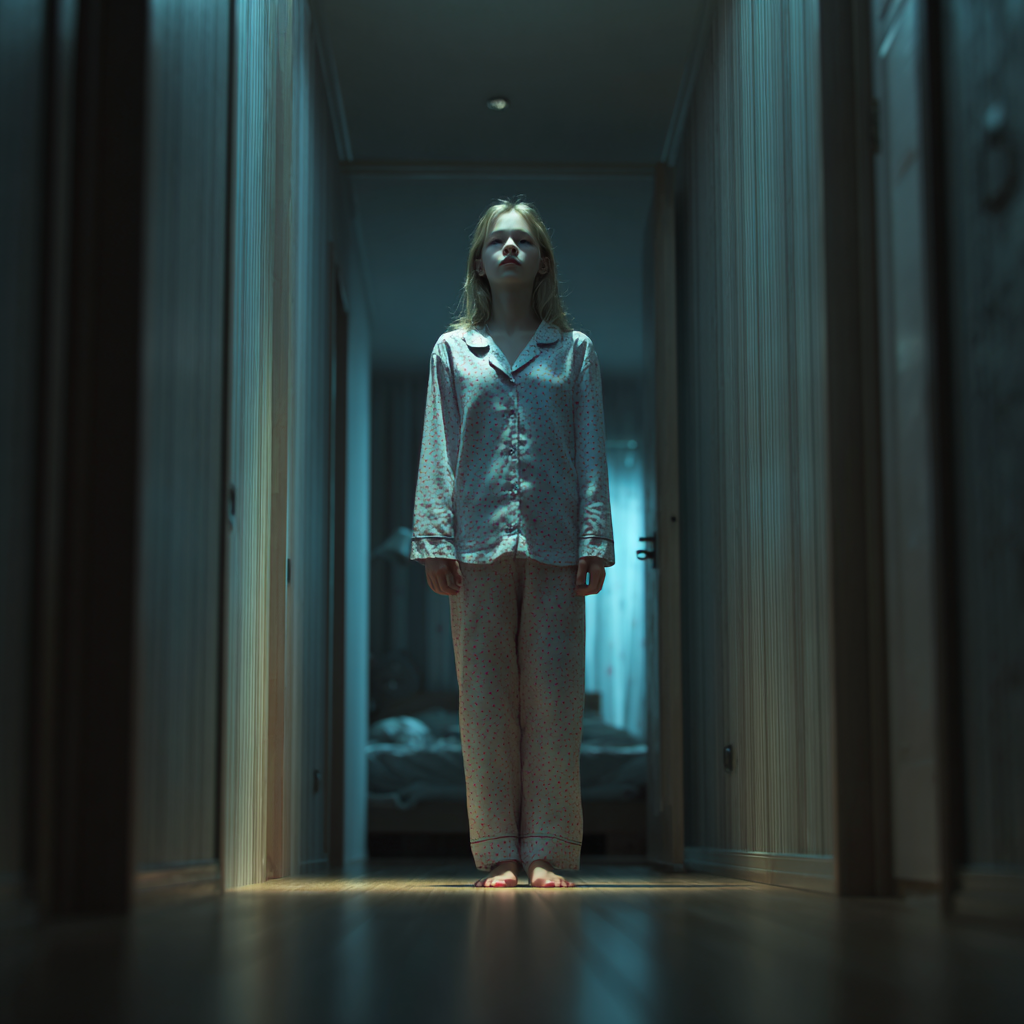
When fifteen-year-old Maya’s mother found her standing in the kitchen at 2 AM, methodically arranging cereal boxes in alphabetical order, she initially thought her daughter was just having trouble sleeping. But Maya’s eyes were glazed, her movements automatic. When gently guided back to bed, she had no memory of the episode the next morning. This was the third time in two weeks—and it happened to coincide with Maya’s mounting stress over upcoming exams and social pressures at school.
Maya’s experience isn’t unusual. Research from Stanford University demonstrates that sleepwalking is far more common than previously thought, affecting approximately 3.6% of adults—and the connection to anxiety and depression is striking. People with depression are 3.5 times more likely to sleepwalk than those without, and those with anxiety disorders show significantly elevated rates as well. What’s particularly concerning is how these patterns are now showing up in adolescent girls at alarming rates.
The Perfect Storm: Why Teenage Girls Are Especially Vulnerable
The story of sleepwalking and anxiety in teenage girls begins with understanding just how dramatically anxiety has spiked in this population. According to recent data, 53% of high school girls reported persistent feelings of sadness or hopelessness in 2023—a figure that represents a concerning climb from 30% just a decade earlier. This isn’t normal teenage angst; it’s a documented public health crisis.
Dr. Maurice Ohayon, professor of psychiatry and behavioral sciences at Stanford University and director of the Stanford Sleep Epidemiology Research Center, has spent decades researching the links between mental health conditions and sleep disorders. His groundbreaking work revealed that nearly one-third of people report having sleepwalked at some point in their lives, with many cases beginning or persisting during adolescence. “There is no doubt an association between nocturnal wanderings and certain conditions,” Ohayon notes, though he cautions that the direction of causality remains complex.
What makes teenage girls particularly vulnerable to this anxiety-sleepwalking connection? Studies on gender differences in adolescent anxiety reveal several factors: girls mature emotionally faster than boys, developing heightened sensitivity to emotional stimuli earlier. This emotional awareness may have evolutionary advantages. However, it also means teenage girls experience anxiety symptoms earlier and more intensely. They report worse sleep quality, shorter sleep duration, and more frequent sleep disruptions than their male peers—all of which are known triggers for parasomnia episodes.
Additionally, the timing of puberty plays a role. Girls typically enter puberty earlier than boys—now averaging around age 11. This means they’re experiencing intense emotional and hormonal changes while their brains are still developing the capacity to handle them. This creates what researchers describe as a “perfect storm” for both anxiety disorders and sleep disturbances.
How Anxiety Disrupts Sleep Architecture and Triggers Sleepwalking
Understanding sleepwalking and anxiety in teenage girls requires looking at what happens in the brain during sleep. Sleepwalking occurs during slow-wave sleep (SWS), also known as deep sleep, which typically happens in the first third of the night. During this stage, the brain is in a state of diminished activity—but not complete shutdown. The body can still move, unlike during REM sleep when a protective mechanism paralyzes muscles to prevent dream enactment.
When anxiety enters the picture, it disrupts this delicate sleep architecture in several ways. Research shows that stress activates the body’s “fight-or-flight” response, flooding the system with cortisol and other stress hormones. These hormones have been found elevated in sleepwalkers, suggesting a direct physiological link between stress and parasomnia episodes.
For teenage girls already struggling with anxiety, this means their brains never fully settle into restful sleep. Racing thoughts about social situations, academic pressure, or relationship concerns keep the nervous system partially activated even during what should be deep, restorative sleep. The result? Incomplete arousals from SWS—the hallmark of sleepwalking episodes.
A study of adolescents with sleep terrors and sleepwalking found that teenagers experiencing these parasomnias had increased prevalence of other sleep disorders, neurotic traits, and psychiatric problems. The researchers noted a crucial distinction: while childhood sleepwalking is primarily genetic and developmental, “their persistence and, especially, their onset in adolescence may be related to psychological factors.”
This distinction matters enormously for families watching their teenage daughters suddenly develop sleepwalking behaviors, or seeing childhood sleepwalking that should have resolved by now continuing into the teen years. It’s not just something they’ll “grow out of”—it may be their body’s way of manifesting psychological distress.

The Vicious Cycle: When Sleepwalking Feeds Anxiety
Here’s where things get particularly challenging: sleepwalking and anxiety in teenage girls create a bidirectional relationship. Anxiety triggers sleepwalking episodes—but the sleepwalking itself can intensify anxiety symptoms, creating a feedback loop that’s difficult to break.
Consider the experience from a teenage girl’s perspective: you wake up (or are told by family members) that you were wandering the house, opening doors, moving objects, or engaging in complex behaviors—all without any memory of it. This loss of control during sleep can be terrifying. Many teenage sleepwalkers develop significant anxiety about going to sleep, fearing what they might do while unconscious. They worry about embarrassing themselves, injuring themselves, or disturbing family members.
This sleep anxiety compounds their daytime stress. Research examining anxiety-induced sleep disturbances found that the relationship between anxiety and sleep problems involves multiple complex pathways, including worry about sleep itself becoming a primary stressor. For teenage girls already navigating academic pressure, social dynamics, body image concerns, and identity formation, adding “fear of my own nighttime behavior” to the mix can feel overwhelming.
The exhaustion that follows sleepwalking episodes creates its own problems. Sleep-deprived teenagers face decreased cognitive function, emotional dysregulation, and difficulty managing stress—all of which can worsen anxiety symptoms during the day. One study found that younger adolescents showed increased vulnerability to elevated anxiety when sleep deprived, with their most worrisome concerns viewed as significantly more threatening after poor sleep.
What Parents and Families Need to Know
If your teenage daughter is experiencing sleepwalking episodes, especially if she’s also showing signs of anxiety, it’s important to understand this isn’t just a sleep disorder requiring safety measures—though those are certainly important. It’s potentially a manifestation of underlying psychological distress that deserves attention and support.
The case studies from sleep medicine research offer hope: two adults with chronic sleepwalking underwent psychological treatment focused on addressing underlying emotional conflicts and stress. Both showed significant improvement in sleepwalking frequency and intensity after therapy, even when medications had failed or caused unwanted side effects. One patient described feeling “in balance” after treatment—imposing healthy limits on others, respecting her own needs, and experiencing higher self-esteem. Her sleepwalking decreased as her psychological wellbeing improved.
This doesn’t mean all sleepwalking stems from anxiety, or that anxiety is the only factor. Research clearly shows strong familial aggregation for sleepwalking, indicating genetic components. Sleep deprivation, irregular sleep schedules, certain medications, and other sleep disorders like sleep apnea can all trigger or worsen sleepwalking episodes. But when sleepwalking and anxiety in teenage girls occur together—particularly if the sleepwalking began or intensified during a stressful period—addressing the anxiety becomes crucial.
Save This Article for Later – Get the PDF Now

Beyond the Symptoms: Addressing Root Causes
The most effective approach to sleepwalking and anxiety in teenage girls involves treating the whole person, not just managing symptoms. Cleveland Clinic sleep specialists emphasize that mental health therapy can help reduce anxiety, stress, and other factors that contribute to sleepwalking episodes. This might include cognitive behavioral therapy (CBT), which has shown strong effectiveness for teenage anxiety.
Creating a foundation of good sleep hygiene is equally important. This means:
Establishing consistent sleep schedules: Going to bed and waking up at the same time every day, even on weekends, helps regulate the body’s circadian rhythms and reduce the likelihood of incomplete arousals during deep sleep.
Addressing sleep deprivation: Teenage girls need 8-10 hours of sleep per night, but many get far less. Sleep deprivation is a known trigger for sleepwalking episodes, making adequate sleep duration a priority.
Managing stress proactively: This might include relaxation techniques, mindfulness practices, journaling, or exercise—whatever helps the individual teen process and release daily stressors before bedtime.
Creating a calm sleep environment: Reducing stimulation before bed (yes, this means limiting screen time), keeping the bedroom cool and dark, and establishing relaxing bedtime routines all support better sleep quality.
For sleepwalking specifically, safety measures remain essential: locking windows and doors, removing hazards from sleeping areas, and potentially using alarms or monitors to alert family members when episodes occur. Some families have found success with scheduled awakenings—gently waking the teen 15-30 minutes before typical sleepwalking episodes occur to disrupt the pattern.
The Broader Context: Understanding Today’s Teenage Girls
When we talk about sleepwalking and anxiety in teenage girls, we’re really talking about a generation facing unprecedented pressures. Research from the Annie E. Casey Foundation and Child Mind Institute documents how teenage girls today navigate challenges that previous generations didn’t face in the same way: constant social comparison through social media, academic pressure intensified by college admissions competition, reduced family and peer support systems, and exposure to frightening global events through 24/7 news cycles.
A fascinating study where teenage girls themselves discussed their anxiety revealed that they consider low mood and anxiety “normal” for their demographic. They identified persistent reiteration of gendered expectations, social media pressures, and limited emotional support as contributing factors. Some wondered whether anxiety might be emotionally contagious among friend groups, though they also acknowledged friendships as valuable mental health support.
This context matters when understanding sleepwalking episodes. When a teenage girl’s body literally gets up and moves during the night while her conscious mind sleeps, it might be viewed as a physical manifestation of being unable to rest—both literally and metaphorically—in the face of overwhelming daily pressures.
When to Seek Professional Help
While occasional sleepwalking episodes might not require immediate intervention, certain signs warrant professional evaluation:
- Sleepwalking occurring multiple times per week
- Episodes involving dangerous behaviors or resulting in injuries
- Sleepwalking that begins or significantly worsens during adolescence
- Accompanying signs of anxiety, depression, or other mental health concerns
- Excessive daytime tiredness or impaired functioning at school
- Family distress or disruption caused by the episodes
A comprehensive evaluation might include sleep studies to rule out other sleep disorders, mental health screening to assess anxiety and depression, and discussion of family history, current stressors, and sleep patterns. The goal is understanding all contributing factors so treatment can address root causes, not just symptoms.
Hope for the Future
Despite the concerning statistics about teenage anxiety and sleep problems, there’s genuine reason for optimism. Research consistently shows that anxiety in teenage girls is highly treatable, with cognitive behavioral therapy showing particularly strong results—about 60% of young people receiving CBT for anxiety improve significantly, with even better outcomes when therapy is combined with appropriate anxiety management strategies.
The relationship between sleepwalking and anxiety in teenage girls, while challenging, also means that addressing one condition can improve the other. As anxiety decreases through therapy and stress management, sleepwalking episodes often become less frequent or intense. Better sleep supports emotional regulation and stress resilience, making it easier to manage anxiety symptoms during the day.
For parents watching their daughters struggle—whether with anxiety, sleepwalking, or both—remember that seeking help isn’t admitting defeat. It’s recognizing that today’s teenage girls face real challenges that deserve real support. The wandering that happens during sleep might be the body’s way of saying what the conscious mind struggles to express: I need help finding my way to rest, both literally and metaphorically.
If you’re concerned about your teenage daughter’s sleep or mental health, start by talking with her pediatrician or a mental health professional who specializes in adolescents. The sooner underlying issues are addressed, the better the outcomes—not just for sleep, but for overall wellbeing during these critical developmental years.
Related reading: Managing Stress and Anxiety in Young Adults: The Sleep Connection and Understanding Night Terrors and Anxiety.

FAQ
Q: What exactly is sleepwalking?
A: Sleepwalking (somnambulism) is a parasomnia—a type of sleep disorder involving abnormal behaviors during sleep. It occurs during slow-wave sleep (SWS), the deepest stage of non-REM sleep, typically in the first third of the night. During sleepwalking episodes, a person’s brain is partially awake and partially asleep, allowing them to perform complex motor activities like walking, opening doors, or moving objects while remaining unconscious. Most sleepwalkers have no memory of their nighttime activities.
Q: What does “anxiety” mean in the context of teenage mental health?
A: Anxiety refers to persistent and excessive worry or fear that interferes with daily functioning. In teenagers, anxiety might manifest as constant worrying about school performance, social situations, or future events; physical symptoms like racing heart, tense muscles, or stomachaches; avoidance of anxiety-triggering situations; difficulty concentrating; or sleep problems. Clinical anxiety disorders include generalized anxiety disorder (GAD), social anxiety disorder, panic disorder, and others. It differs from normal nervousness in its intensity, duration, and impact on functioning.
Q: What are parasomnias?
A: Parasomnias are a category of sleep disorders characterized by abnormal behavioral, experiential, or physiological events occurring in association with sleep, specific sleep stages, or sleep-wake transitions. Besides sleepwalking, other parasomnias include sleep terrors (sudden awakening with intense fear), sleep talking, confusional arousals, and REM sleep behavior disorder. Most parasomnias involve either NREM sleep (like sleepwalking) or REM sleep.
Q: What is slow-wave sleep (SWS)?
A: Slow-wave sleep, also called deep sleep, is the stage of sleep characterized by slow brain waves (delta waves) on an electroencephalogram (EEG). It’s the deepest stage of non-REM sleep and typically occurs in the first third of the night. During SWS, the body performs important restorative functions including tissue repair, immune system strengthening, and memory consolidation. Sleepwalking and sleep terrors occur specifically during this sleep stage.
Q: What is cortisol and why does it matter for sleep?
A: Cortisol is often called the “stress hormone” because it’s released by the adrenal glands in response to stress as part of the fight-or-flight response. It helps the body mobilize energy and respond to threats. However, elevated cortisol levels—especially at night when they should naturally drop—can disrupt sleep architecture, making it difficult to achieve and maintain deep, restorative sleep. Research has found elevated cortisol levels in sleepwalkers, suggesting stress physiology plays a role in triggering parasomnia episodes.
Q: What does “bidirectional relationship” mean?
A: A bidirectional relationship describes a two-way connection where each factor influences the other, creating a feedback loop. In the context of sleepwalking and anxiety in teenage girls, this means: (1) anxiety can trigger or worsen sleepwalking episodes through stress hormones and disrupted sleep architecture, and (2) experiencing sleepwalking can increase anxiety about sleep and loss of control, which then worsens both conditions. Breaking this cycle often requires addressing both issues simultaneously.
Q: What is sleep architecture?
A: Sleep architecture refers to the structure and pattern of sleep cycles throughout the night. A typical night consists of 4-6 sleep cycles, each lasting about 90 minutes and progressing through different stages. These include light sleep (NREM stages 1 and 2), deep sleep (NREM stage 3 or slow-wave sleep), and REM sleep. Healthy sleep architecture means spending appropriate amounts of time in each stage in the proper sequence. Anxiety, stress, and sleep disorders can disrupt this normal architecture, leading to incomplete awakenings, difficulty reaching deep sleep, or other sleep problems.
Q: How common is sleepwalking in adolescence?
A: While sleepwalking is most common in childhood (peaking around ages 4-8), research shows that about 24% of children who sleepwalk at age 11 continue experiencing episodes at age 13. Overall, studies estimate lifetime prevalence of sleepwalking at nearly 30% of the population. The key difference is that while childhood sleepwalking is primarily genetic and developmental, sleepwalking that begins or persists in adolescence is more likely to be related to psychological factors like stress and anxiety.
Q: Can anxiety really cause physical sleep problems?
A: Yes, absolutely. Anxiety activates the sympathetic nervous system (the “fight or flight” response), which increases heart rate, blood pressure, muscle tension, and stress hormones like cortisol and adrenaline. These physiological changes make it difficult to relax into sleep and can disrupt normal sleep cycles. Additionally, the racing thoughts and worry that accompany anxiety keep the mind active when it should be winding down for sleep. This isn’t “just in your head”—it’s a real physiological response that affects sleep quality and architecture.
Q: What is cognitive behavioral therapy (CBT)?
A: Cognitive behavioral therapy is a type of psychotherapy that helps people identify and change unhelpful thinking patterns and behaviors. For anxiety, CBT teaches skills like recognizing and challenging anxious thoughts, gradual exposure to feared situations, and relaxation techniques. For sleep problems, CBT-I (CBT for insomnia) addresses thoughts and behaviors that interfere with sleep. Research shows CBT is highly effective for teenage anxiety, with about 60% of young people showing significant improvement.
Q: What does “good sleep hygiene” mean?
A: Sleep hygiene refers to habits and environmental factors that promote consistent, quality sleep. Good sleep hygiene includes maintaining regular sleep and wake times (even on weekends), creating a cool, dark, quiet sleep environment, and avoiding screens 1-2 hours before bed. It also means limiting caffeine especially after noon, getting regular exercise (but not too close to bedtime), and using the bed only for sleep (not homework, phone use, etc.). Establishing a relaxing bedtime routine is essential too. While sleep hygiene alone won’t cure sleep disorders or anxiety, it creates optimal conditions for restorative sleep.