The Role of Therapy in Treating Insomnia Caused by Emotional Issues: When Your Mind Won’t Let You Sleep
Story-at-a-Glance
- Cognitive Behavioral Therapy for Insomnia (CBT-I) is the gold-standard treatment for insomnia stemming from emotional issues, with research showing moderate to large effects on both sleep and emotional symptoms
- The three most common emotional causes of insomnia—anxiety, depression, and trauma-related stress—respond particularly well to targeted therapeutic interventions that address both sleep patterns and underlying psychological factors
- Studies demonstrate that treating insomnia directly can improve emotional well-being: one meta-analysis of 19 trials showed CBT-I doubled the odds of depression response compared to control conditions
- Digital and self-help CBT-I programs have emerged as accessible alternatives when in-person therapy isn’t available, with research showing small to moderate effects on depression and anxiety symptoms
- The role of therapy in treating insomnia caused by emotional issues extends beyond sleep improvement—it targets the perpetuating factors that keep you awake even after the original stressor resolves
- Therapy works by addressing specific behavioral patterns (excessive time in bed, inconsistent sleep schedules) and cognitive distortions (catastrophic thinking about sleep loss) that transform temporary insomnia into a chronic condition
A clinical case study describes a 15-year-old patient who had been failing classes and experiencing frequent crying spells. She lay awake for hours each night, her mind racing with guilt about her parents’ marital problems. She’d been diagnosed with major depression three years earlier and treated intermittently with antidepressants, but the insomnia persisted. Sleep problems affect up to 90% of people with depression. According to researchers at the Brain & Behavior Research Foundation, this makes sleep disturbance “one of the more important predictors of a future depressive episode.” When you can’t sleep because your emotions won’t quiet down, you’re caught in a vicious cycle. Poor sleep worsens mood, and worse mood makes sleep even more elusive.
The role of therapy in treating insomnia caused by emotional issues has become increasingly clear over the past two decades. We now understand that emotional disturbances—particularly anxiety, depression, and unresolved trauma—don’t just disrupt sleep as a side effect. They create specific patterns of thinking and behavior that actively perpetuate sleeplessness. These patterns continue even after the initial emotional crisis has passed.
The Three Emotional Culprits Behind Chronic Insomnia
Anxiety: When Worry Hijacks the Night
Anxiety disorders represent the most common emotional trigger for insomnia. People with insomnia are estimated to be five times more likely to have anxiety than people without sleep problems. But here’s what makes anxiety-driven insomnia particularly stubborn: the worry becomes self-perpetuating. You worry about not sleeping, which creates arousal, which confirms your fears about not being able to sleep.
Dr. Colleen E. Carney, one of Canada’s leading experts in psychological treatments for insomnia at Toronto Metropolitan University, has extensively researched this phenomenon. Her work reveals that “inappropriate worry about sleep” creates a state of physiological arousal that makes sleep biologically difficult. The body’s stress response activates when you need it to power down.
Consider the case documented in a 2022 study of an adult patient named Fred. He was experiencing generalized anxiety disorder alongside severe insomnia. His Penn State Worry Questionnaire scores were elevated, and he reported difficulty “turning off” his mind at bedtime. After integrating mindfulness techniques with cognitive behavioral approaches, Fred’s anxiety scores dropped from clinical to minimal levels. His sleep efficiency also improved substantially. The therapeutic work didn’t just address his sleep—it targeted the worry mechanism itself.
Depression: The Weight That Won’t Lift
Depression creates a unique constellation of sleep problems. While some depressed individuals sleep excessively, many experience profound insomnia. This insomnia is characterized by early morning awakening and an inability to fall back asleep. The connection runs deeper than coincidence. Research published in 2024 analyzing 4,808 participants across 19 trials found significant results. Treating insomnia with CBT-I yielded a 32% depression response rate, compared to just 17% in control groups.
Depression-related insomnia often involves what therapists call “rumination.” These are repetitive, negative thought patterns that intensify at night when distractions fade. You replay conversations, dissect perceived failures, or catastrophize about the future. This cognitive pattern keeps the brain activated precisely when it needs to quiet down.
Trauma and Stress: When Safety Becomes Elusive
For individuals dealing with trauma or severe chronic stress, the bedroom itself can become a trigger. Post-traumatic stress disorder (PTSD) is particularly associated with sleep disruption. One meta-analysis showed that CBT-I produced large effect sizes (1.5) for PTSD patients—even larger than for depression.
Trauma survivors often experience hypervigilance that doesn’t turn off at night. The brain’s threat-detection system remains activated, scanning for danger even in objectively safe environments. Sleep requires a sense of safety, and when that fundamental feeling is absent, the body resists the vulnerable state of unconsciousness.

Why Cognitive Behavioral Therapy for Insomnia Is the Gold Standard
When we talk about the role of therapy in treating insomnia caused by emotional issues, we’re primarily referring to Cognitive Behavioral Therapy for Insomnia. This treatment, abbreviated as CBT-I, isn’t your typical talk therapy. CBT-I is a structured, evidence-based protocol developed by pioneering researchers. These include Dr. Michael L. Perlis at the University of Pennsylvania and Dr. Charles M. Morin, considered one of the “most seminal thinkers” in the field.
How CBT-I Targets the Emotional-Sleep Connection
CBT-I operates on a sophisticated understanding of what perpetuates insomnia. According to the “3P Model” developed by Dr. Arthur Spielman, insomnia involves:
- Predisposing factors (genetics, tendency toward worry)
- Precipitating factors (the emotional crisis that triggers sleep problems)
- Perpetuating factors (the behaviors and thoughts that keep insomnia going)
Here’s the critical insight: even after the precipitating emotional issue improves—the breakup ends, the job stress reduces, the anxiety lessens—the insomnia often persists. It continues because of what you’ve learned to do in response to it. CBT-I targets these perpetuating factors directly.
The core components include:
- Sleep Restriction Therapy: Paradoxically, you spend less time in bed initially, matching your actual sleep time. This builds sleep pressure and breaks the association between bed and wakefulness.
- Stimulus Control: Your bed becomes reserved exclusively for sleep and intimacy—no reading, scrolling, worrying, or working. This retrains your brain to associate the bedroom with sleep.
- Cognitive Restructuring: Therapists help you identify and challenge catastrophic thoughts about sleep. “If I don’t sleep tonight, I’ll completely fail my presentation” becomes “I’ve functioned on poor sleep before, and while it’s uncomfortable, I can manage.”
- Sleep Hygiene Education: Though often overemphasized as a standalone treatment, proper sleep hygiene supports the behavioral and cognitive work.
The Evidence Is Compelling
A comprehensive 2023 meta-analysis examining digital CBT-I across 22 randomized controlled trials found large effects on sleep outcomes (effect size -0.76). It also showed meaningful improvements in both depression (effect size -0.42) and anxiety symptoms (effect size -0.29). Additionally, research shows these benefits persist. A 2024 systematic review found that improvements in depression, anxiety, fatigue, and mental health were maintained at 6-month follow-up.
What makes this particularly relevant for the role of therapy in treating insomnia caused by emotional issues is a key mechanism. CBT-I works through the emotional improvements, not despite them. Research from 2021 examined 24 patients with both insomnia and generalized anxiety disorder. The study found that CBT-I produced “significant improvements in anxiety, worry, depression, functional impairment and quality of life with medium to large effect sizes.”
Is Therapy Right for Your Insomnia?
Not everyone with insomnia needs therapy. If your sleep problems are primarily medical—such as sleep apnea, restless legs syndrome, or medication side effects—you must address the underlying physical cause first. But the role of therapy in treating insomnia caused by emotional issues becomes essential when:
- Your insomnia started or worsened during a period of emotional distress (even if that distress has since improved)
- Your mind races with worries or negative thoughts at bedtime
- You’ve developed significant anxiety about sleep itself—checking the clock repeatedly, worrying about the next day, feeling dread as bedtime approaches
- You engage in “safety behaviors” around sleep—going to bed extremely early “just in case,” sleeping in to compensate, frequent napping, using alcohol to fall asleep
- Your mood symptoms haven’t fully responded to treatment, and insomnia persists as a residual symptom
A 2023 case study notes when CBT-I is particularly indicated. It’s appropriate when “the patient exhibits some of the behavioral or psychological factors thought to perpetuate chronic insomnia.” These are patterns you can observe in yourself: Do you spend excessive time in bed trying to “catch up” on sleep? Do you engage in stimulating activities in bed? Do you hold catastrophic beliefs about the consequences of poor sleep?
Finding CBT-I: Navigating the Real-World Challenges
Here’s where the conversation gets honest. The role of therapy in treating insomnia caused by emotional issues is well-established, but access remains a significant barrier. The American Academy of Sleep Medicine held its 12th annual Insomnia Awareness Night in June 2025. The event highlighted that approximately 12% of Americans have chronic insomnia, yet relatively few receive evidence-based treatment.
Finding a Qualified Therapist
CBT-I requires specialized training beyond general psychotherapy credentials. To find a qualified provider:
- Check the Society of Behavioral Sleep Medicine directory at behavioralsleep.org for certified practitioners
- Ask about specific training: Has the provider completed formal CBT-I training? How many insomnia patients have they treated?
- Look for psychologists or licensed therapists with specialty training in sleep medicine
- Inquire about the treatment structure: True CBT-I is typically delivered in 6-8 sessions with specific protocols
Be aware that many therapists claim to treat insomnia but may only offer general sleep hygiene advice, which research shows is insufficient for chronic insomnia with emotional components.
When In-Person Therapy Isn’t Accessible
The digital revolution in mental health care has created alternatives when traditional therapy isn’t available. A January 2024 systematic review found that “remote CBT-I is more effective when delivered in a shorter period on the internet without therapist support.” This initially seems counterintuitive but reflects the structured, protocol-driven nature of CBT-I.
Several evidence-based digital programs exist:
- Sleepio (the most researched digital CBT-I platform)
- Somryst (the first FDA-approved prescription digital therapeutic for insomnia)
- CBT-I Coach (a free app developed by the VA)
These programs won’t replace therapy for everyone—complex trauma, severe depression, or acute psychiatric symptoms typically require human support. But for many people dealing with anxiety-driven insomnia or mild to moderate depression, digital CBT-I provides a legitimate starting point. A March 2025 meta-analysis of fully automated digital CBT-I across 29 trials involving 9,475 participants found “moderate to large effects on insomnia severity.” However, these were somewhat less effective than therapist-assisted versions.
Save This Article for Later – Get the PDF Now

Self-Help Approaches: What Actually Works
If professional help—digital or in-person—isn’t currently available, certain self-help strategies align with CBT-I principles:
- Implement stimulus control rigorously: Use your bed only for sleep and sex. If you’re not asleep within 20-30 minutes, leave the bedroom and do something calming until you feel sleepy again. This is difficult but remarkably effective.
- Calculate your sleep efficiency and adjust your time in bed accordingly. If you sleep 6 hours but spend 9 hours in bed, start by spending only 6.5 hours in bed. Go to sleep later and wake at your usual time. As your sleep efficiency improves (target: 85-90%), gradually extend your time in bed.
- Keep a structured sleep diary for at least two weeks. Track your actual sleep time, time in bed, and factors you suspect affect your sleep. Pattern recognition is powerful. You might discover that your Sunday afternoon nap reliably predicts Monday night insomnia, or that ruminating about work triggers your anxiety-insomnia spiral.
- Practice cognitive restructuring: Write down your catastrophic thoughts about sleep. Then, for each one, write a more realistic alternative. “I’ll be completely useless tomorrow” becomes “I’ve functioned on less sleep before. It might be harder, but I’ll get through the day.”
For more targeted strategies addressing the anxiety-sleep connection specifically, the article on cognitive behavioral therapy for anxiety and night terrors explores how rewiring anxious thought patterns transforms sleep quality.
What to Expect From Treatment
Understanding the role of therapy in treating insomnia caused by emotional issues means having realistic expectations. Clinical data shows that CBT-I typically requires 6-8 sessions, with most improvements appearing within the first 6 weeks. However, the initial weeks can be challenging.
Sleep restriction, in particular, creates temporary sleep deprivation—that’s the point. You’ll likely feel worse before you feel better, experiencing daytime fatigue and grogginess as your body adjusts. This is why therapist support matters: someone who can reassure you that this discomfort is both expected and temporary.
Studies examining predictors of treatment response have found something interesting: higher baseline anxiety was associated with better treatment outcomes. Patients with moderate anxiety at the start of treatment showed greater likelihood of responding to CBT-I. This suggests that emotional distress, while uncomfortable, can actually motivate the behavioral changes necessary for improvement.
Not everyone responds equally. Research indicates that approximately 60-70% of patients achieve clinically significant improvement. About 40-50% reach remission, essentially no longer meeting criteria for insomnia. Those who don’t fully respond often still see meaningful improvements in sleep quality, even if total sleep time doesn’t normalize.
The Broader Picture: Why Sleep Therapy Matters Beyond Sleep
The role of therapy in treating insomnia caused by emotional issues extends well beyond getting more sleep. Treating insomnia reduces suicide risk among people with depression and improves outcomes for PTSD patients. It may even prevent the development of new depressive episodes in people with chronic insomnia.
Consider that insomnia itself is estimated to double the risk of developing depression, independent of other factors. When you treat insomnia therapeutically—addressing both the sleep disturbance and the emotional patterns maintaining it—you do something important. You’re potentially interrupting a cascade of health consequences.
Current mental health trends in 2025 reflect this understanding. A December 2025 report noted that telehealth platforms and digital tools are making mental health care more accessible. In February 2025, 62.3% of telehealth patients had mental health diagnoses. The integration of sleep treatment into broader mental health care is no longer controversial—it’s becoming standard practice.
Yet challenges remain. A 2024 stakeholder summit by the American Academy of Sleep Medicine identified critical priorities. These include “sustained, coordinated efforts to increase awareness, improve reimbursement, and grow the necessary skilled health care workforce.” Many insurance plans still don’t adequately cover behavioral sleep medicine, and the number of trained CBT-I providers remains limited relative to need.
Moving Forward
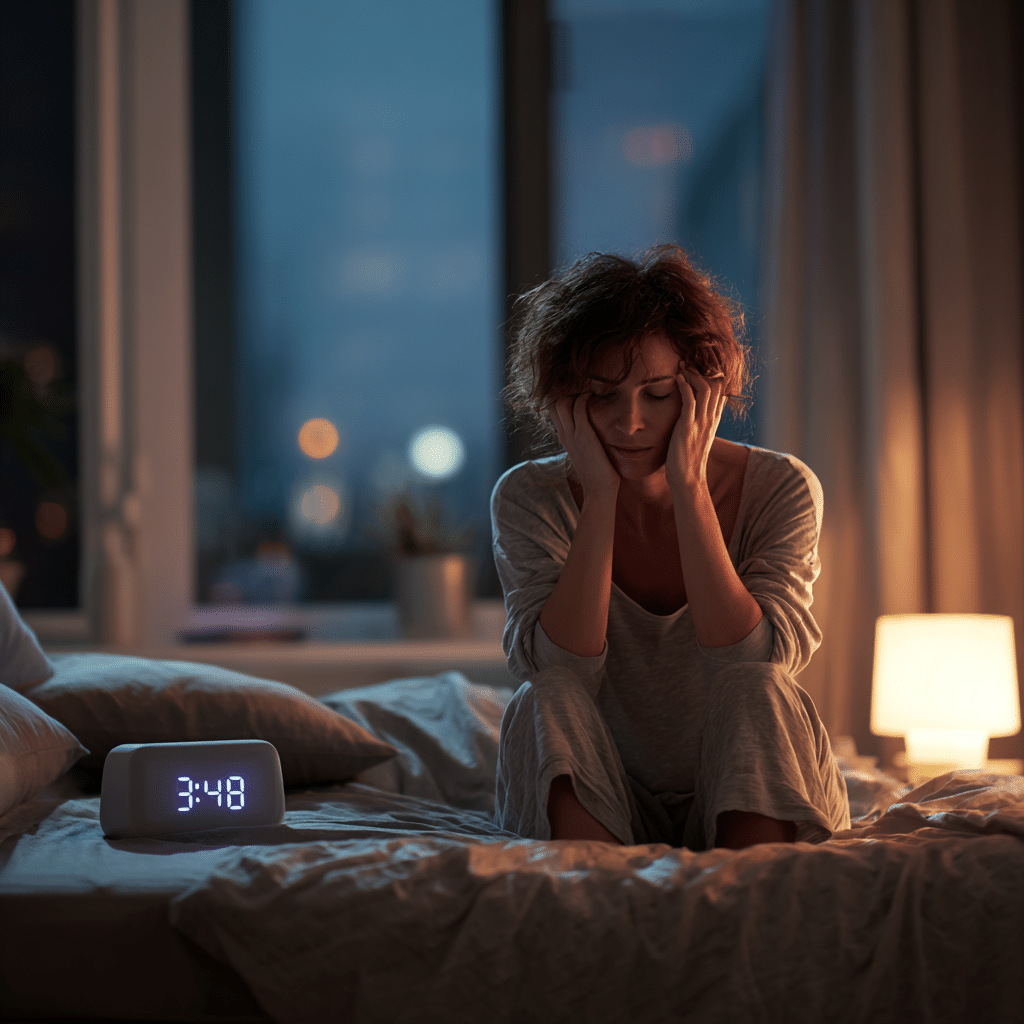
If you’re lying awake at 3 AM, you might wonder whether therapy can really help. Your mind churns with anxiety or replays the day’s disappointments. The research says yes—but with important caveats. The role of therapy in treating insomnia caused by emotional issues is profound, but it’s not magic. It requires active engagement, tolerance for temporary discomfort, and often several weeks before you see meaningful improvement.
Ask yourself: Have you been trying to solve your insomnia by addressing only sleep? Perhaps you’ve focused on better pillows, darker curtains, or sleepy-time tea. Meanwhile, you’ve ignored the emotional patterns keeping you awake. Have you been waiting for your anxiety or depression to fully resolve before addressing your sleep? You may not realize that the sleep problem itself might be perpetuating your emotional distress.
The evidence suggests that directly targeting insomnia, even in the context of ongoing emotional difficulties, can break the cycle. You don’t need to resolve all your emotional issues before your sleep can improve. In fact, treating your insomnia might be one of the most effective interventions available. It could significantly improve your mental health overall.
What would it mean for you to sleep soundly again? To close your eyes without dread? To wake feeling rested rather than defeated? To face your days with the resilience that only proper sleep provides? The path involves more than good intentions and sleep hygiene lists. It requires the structured, evidence-based approach that CBT-I offers. This can come through a trained therapist, a digital program, or carefully implemented self-help strategies.
If you’re struggling with insomnia rooted in emotional issues, consider taking these steps. Consult your physician to rule out medical causes of your sleep problems. Research qualified CBT-I providers in your area or explore evidence-based digital programs. Keep a detailed sleep diary for two weeks to identify patterns. Most importantly, recognize that your insomnia is treatable—and that you don’t have to solve it alone.

FAQ
Q: What exactly is Cognitive Behavioral Therapy for Insomnia (CBT-I)?
A: CBT-I is a structured psychological treatment specifically designed for insomnia. It combines behavioral strategies (like sleep restriction and stimulus control) with cognitive techniques (like challenging catastrophic thoughts about sleep) to address the patterns that perpetuate chronic insomnia. Unlike general talk therapy, CBT-I follows specific protocols delivered over 6-8 sessions and directly targets sleep-related behaviors and beliefs. It’s recommended as first-line treatment by the American Academy of Sleep Medicine and has been shown to produce lasting improvements without medication.
Q: How does insomnia caused by emotional issues differ from other types of insomnia?
A: Insomnia caused by emotional issues (also called psychophysiological insomnia or comorbid insomnia) occurs when psychological factors like anxiety, depression, or trauma trigger sleep problems. What makes it distinct is that cognitive and emotional patterns—worry, rumination, hyperarousal—actively maintain the insomnia even after the original emotional crisis improves. Medical insomnia (from sleep apnea, restless legs, pain) requires treating the underlying physical condition first. Situational insomnia (from jet lag, a noisy environment) typically resolves when circumstances change. Emotional insomnia persists because the brain has learned maladaptive responses to sleep that become self-perpetuating.
Q: What are the main components of CBT-I treatment?
A: CBT-I typically includes: (1) Sleep Restriction Therapy—limiting time in bed to match actual sleep time, which builds sleep drive; (2) Stimulus Control—creating strong associations between bed and sleep by using the bed only for sleep and intimacy; (3) Cognitive Restructuring—identifying and challenging catastrophic thoughts about sleep and its consequences; (4) Sleep Hygiene Education—optimizing environment and habits that support sleep; and (5) Relaxation Training—learning techniques to reduce physical and mental arousal. Treatment is highly individualized based on your specific sleep patterns and the emotional factors contributing to your insomnia.
Q: Can CBT-I help if I’m already taking medication for anxiety or depression?
A: Yes, absolutely. Research shows CBT-I is effective for people with comorbid anxiety and depression, including those on psychiatric medications. In fact, treating insomnia often improves response to antidepressants and anti-anxiety medications. Some studies suggest that unresolved sleep problems are a key reason people don’t fully respond to psychiatric medication. CBT-I can be provided alongside medication management—it’s not an either/or situation. Many people eventually reduce or eliminate sleep medications after successful CBT-I, though this should always be done under medical supervision.
Q: What does “sleep restriction” mean, and why is temporary sleep deprivation therapeutic?
A: Sleep restriction doesn’t mean you’re forbidden from sleeping—it means you initially spend less time in bed, matching your actual current sleep duration. If you currently sleep about 5.5 hours but spend 8 hours in bed tossing and turning, you might start by allowing only 6 hours in bed. This creates mild sleep deprivation, which builds sleep pressure (your biological drive to sleep), makes it easier to fall asleep quickly, and reduces nighttime waking. As your sleep efficiency improves (you’re asleep for most of your time in bed), you gradually extend your time in bed. The temporary discomfort is purposeful—it breaks the pattern of lying awake anxious and frustrated.
Q: How long does CBT-I take to work?
A: Most research studies use 6-8 weekly sessions of CBT-I, with many patients seeing noticeable improvement by weeks 4-6. However, initial weeks can be challenging as you implement sleep restriction and adjust to new sleep schedules. Some people experience improvements sooner, while others need the full treatment course. Digital CBT-I programs typically run 6-10 weeks. Importantly, CBT-I produces lasting changes—improvements are maintained months and even years after treatment ends, unlike sleep medications which only work while you’re taking them.
Q: What if I can’t afford therapy or don’t have access to a CBT-I specialist?
A: Several options exist beyond traditional in-person therapy. Evidence-based digital CBT-I programs like Sleepio, Somryst (prescription), and CBT-I Coach (free) have demonstrated effectiveness in clinical trials. Many are covered by insurance or offered through employers. Self-help books based on CBT-I principles, such as “Say Good Night to Insomnia” by Dr. Gregg Jacobs, provide structured guidance. Some healthcare systems offer group CBT-I, which is more affordable than individual therapy and nearly as effective. Telehealth has also expanded access—you can work with a CBT-I specialist remotely from anywhere.
Q: Will my sleep ever go back to “normal” after dealing with emotional insomnia?
A: “Normal” sleep varies significantly between individuals. What CBT-I aims for is restoring functional sleep—falling asleep within 20-30 minutes, sleeping through most of the night with minimal waking, and feeling reasonably rested during the day. Research shows that 40-50% of people achieve full remission (no longer meeting insomnia criteria), while another 20-30% see significant improvement. Some vulnerability to sleep disruption may persist, especially during future stressful periods, but the skills learned in CBT-I help you respond more effectively. The goal isn’t perfect sleep every night—it’s breaking the chronic pattern and regaining confidence in your ability to sleep.
Q: What is the 3P Model of Insomnia?
A: The 3P Model, developed by Dr. Arthur Spielman, explains how insomnia develops and persists through three factors: Predisposing factors are traits that make you vulnerable to insomnia (genetics, tendency toward anxiety, being a light sleeper). Precipitating factors are triggers that start the insomnia (job loss, relationship problems, illness, trauma). Perpetuating factors are behaviors and thoughts that keep insomnia going after the initial trigger resolves (going to bed very early to “catch up,” napping, worrying about sleep, using the bedroom for work). CBT-I primarily targets perpetuating factors, which are within your control to change.
Q: Can I do CBT-I if I have severe depression or anxiety?
A: Generally yes, though your therapist will need to assess whether you’re stable enough to engage in the treatment. CBT-I requires active participation—keeping sleep diaries, implementing behavioral changes, tolerating temporary increased fatigue. Some research suggests that moderate anxiety at baseline actually predicts better response to CBT-I. However, if you’re in acute psychiatric crisis, actively suicidal, or experiencing severe symptoms that impair basic functioning, stabilizing those symptoms first (possibly with medication or other therapy) may be necessary before beginning focused insomnia treatment. Discuss your specific situation with a mental health professional.
Q: What’s the difference between CBT-I and regular Cognitive Behavioral Therapy (CBT)?
A: While both use cognitive and behavioral techniques, CBT-I is specifically designed for insomnia and includes components you won’t find in general CBT—like sleep restriction therapy, stimulus control, and sleep-focused cognitive restructuring. A regular CBT therapist might address sleep tangentially when treating anxiety or depression, but they likely haven’t received specialized training in the precise protocols that make CBT-I effective for insomnia. Think of CBT-I as a specialized application of CBT principles, optimized through decades of sleep research. Using general CBT for insomnia is like using a screwdriver when you need a specific drill bit—it might help somewhat, but it’s not the right tool.
Q: Why do I need therapy for insomnia when I could just take a sleep medication?
A: Sleep medications can be helpful short-term, but research consistently shows CBT-I produces more lasting benefits without the risks of tolerance, dependence, or side effects. Medications improve sleep while you take them, but insomnia typically returns when you stop. CBT-I, in contrast, teaches you skills that continue working after treatment ends. Studies directly comparing CBT-I to sleep medications find that CBT-I produces equal or superior results initially, and significantly better long-term outcomes. Additionally, CBT-I addresses the emotional and cognitive factors maintaining your insomnia, which medications can’t do. The American Academy of Sleep Medicine recommends CBT-I as first-line treatment specifically because of its safety and durability.
Q: What happens in a typical CBT-I session?
A: The first session usually involves comprehensive assessment—detailed sleep history, review of your sleep diary, discussion of contributing factors, and psychoeducation about sleep and insomnia. Your therapist will explain the treatment rationale and begin collaboratively developing your personalized treatment plan. Subsequent sessions follow a structured format: reviewing your sleep diary from the previous week, adjusting sleep restriction parameters if needed, addressing obstacles you encountered, introducing new cognitive or behavioral strategies, and assigning practices for the coming week. Sessions are typically 30-50 minutes and are quite focused on sleep-specific interventions rather than open-ended discussion. The therapeutic relationship matters, but CBT-I is more protocol-driven than exploratory talk therapy.