
The Upside-Down Truth About Effective Insomnia Treatments for People with Depression
What if fixing your sleep could cure your depression faster than any antidepressant—and the research proves it works?
What if fixing your sleep could cure your depression faster than any antidepressant—and the research proves it works?

Your colleagues sleep soundly before big presentations while you’re wide awake at 3 AM—here’s the biological reason why, and how to fix it.

Before your cardiologist prescribes another pill, discover why 75% of heart failure patients can’t sleep—and it’s not what you think.

Scientists discovered your sleepless nights might be causing your anxiety—not the other way around—and this changes everything about treatment.

Three-quarters of sleep medication users desperately want to quit, yet most fail—here’s the hidden patient journey pharmaceutical companies never mention.
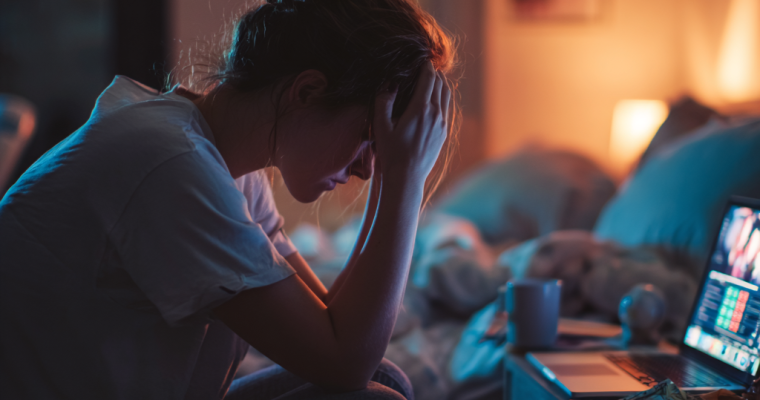
If you’re 18-35 and can’t sleep, your phone—not your pillow—might be stealing your rest while financial stress hijacks your brain.

While 44% of adults lose sleep to stress monthly, most never learn the neurochemical secret that transforms anxious insomniacs into effortless sleepers.

What if the secret to ending your insomnia isn’t trying harder to sleep—but learning the ancient art of trying less?

If you’re lying awake at 3 AM with racing thoughts, your anxiety isn’t causing insomnia—they’re feeding each other.

The melatonin supplement you’re taking for insomnia probably contains ten times too much—which is exactly why it stopped working after three days.
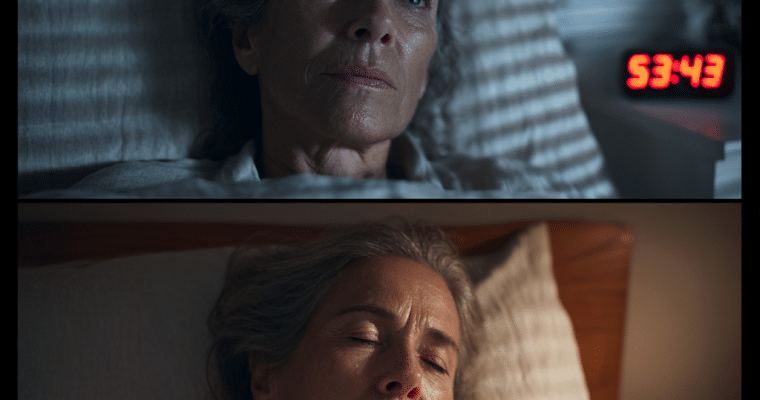
Your sleepless nights aren’t just exhausting—they’re stealing years from your brain, and Mayo Clinic’s shocking new research proves it’s measurable and reversible.
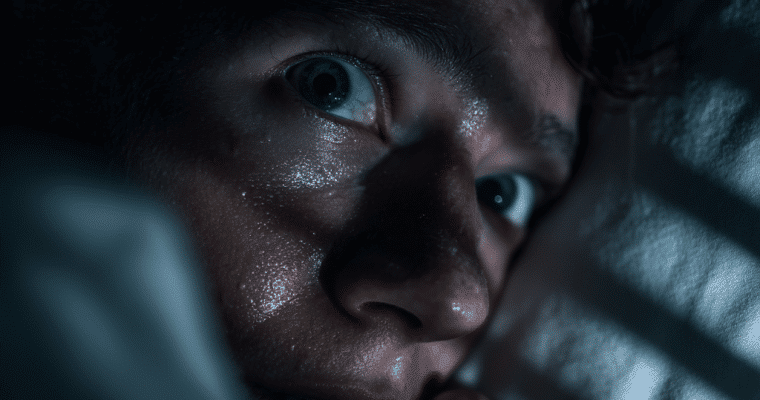
What if the terrifying panic attacks stealing your sleep are actually CAUSED by the very insomnia you’re desperately trying to fix?