Can Anxiety Cause Heart Spasms?
Story-at-a-Glance
- Coronary artery spasms occur when blood vessels suddenly constrict, reducing blood flow to the heart—and research shows people with anxiety face more than double the risk compared to those with traditional heart disease
- These spasms frequently strike during the transition from sleep to waking (between midnight and early morning), disrupting sleep patterns and creating a vicious cycle with anxiety
- A landmark study of over 31,000 people found that 38.7% of coronary spasm patients had prior anxiety diagnoses versus only 25.8% of those with coronary artery disease—younger women appear particularly vulnerable
- The mechanism involves autonomic nervous system dysregulation, where chronic anxiety creates smooth muscle hyperreactivity in coronary arteries through inflammation and oxidative stress
- Sleep disturbances both trigger and result from anxiety-related coronary spasms, with conditions like sleep apnea potentially exacerbating vasospastic episodes
- Treatment focuses on calcium channel blockers, nitrates, and addressing anxiety through therapy and lifestyle changes—including improving sleep quality
It started with chest pain that arrived like clockwork at 3 a.m. Dr. Puja K. Mehta, Director of Women’s Translational Cardiovascular Research at Emory University’s Women’s Heart Center, recalls a 47-year-old female patient whose story captures a medical puzzle that’s becoming increasingly common. The woman experienced crushing chest discomfort several nights per week, always during the early morning hours. Emergency room visits revealed nothing—her coronary arteries looked pristine on imaging. Yet the pain was real, frightening, and systematically destroying her sleep.
The diagnosis, when it finally came, surprised no one more than the patient herself: vasospastic angina (also called coronary artery spasm) exacerbated by severe obstructive sleep apnea. Within eight weeks of starting CPAP therapy, her nocturnal chest pain vanished entirely. She reported to researchers that she’d regained not just her nights, but her daytime energy and exercise capacity.
Stories like hers illuminate a fascinating intersection between anxiety, sleep, and heart health that challenges our traditional understanding of cardiovascular disease. How anxiety triggers coronary artery spasms isn’t just a matter of “stress causing heart problems”—it’s a complex neurobiological cascade where your body’s alarm system, running on overdrive, literally constricts the blood vessels feeding your heart.
And it happens most often while you’re sleeping.
The Invisible Squeeze: What Actually Happens During a Coronary Spasm
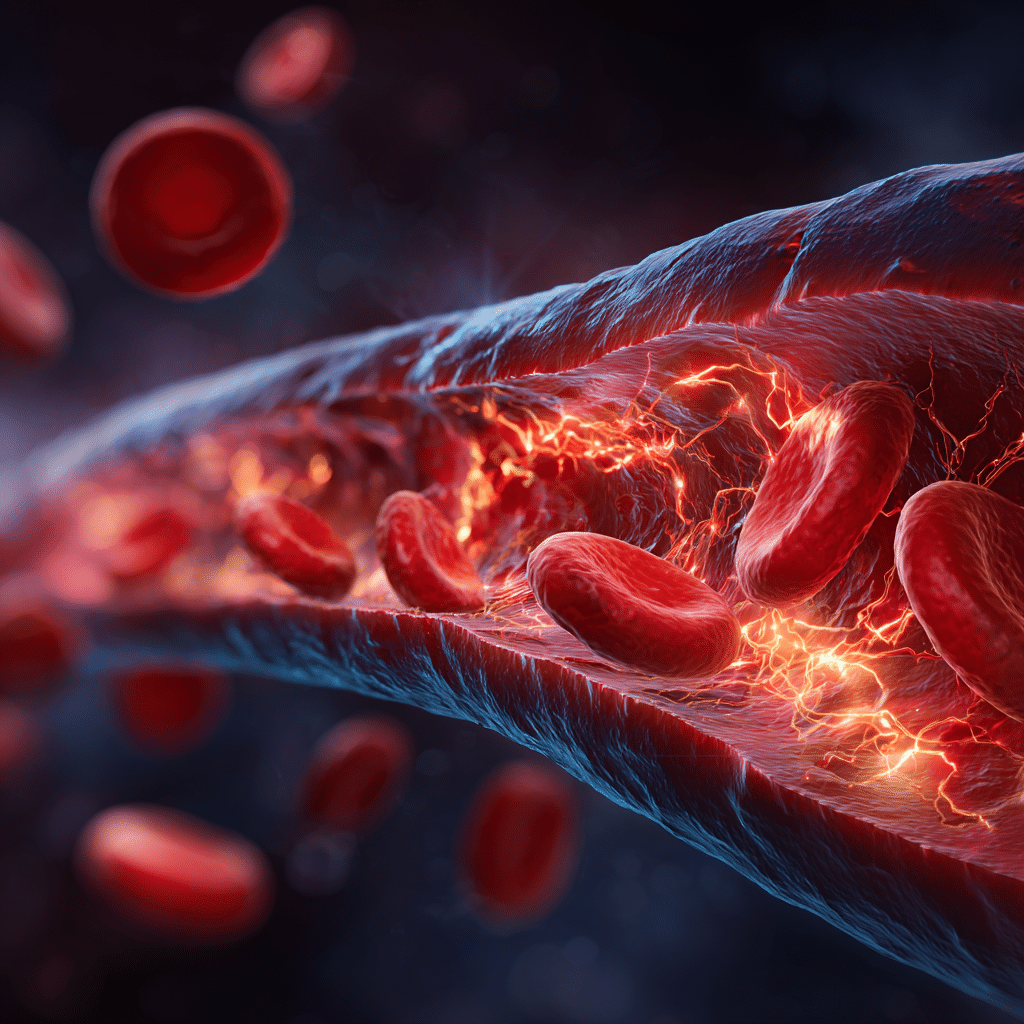
Picture your coronary arteries as highways delivering oxygen-rich blood to your heart muscle. Now imagine those highways suddenly narrowing—not because of cholesterol plaques blocking the way, but because the muscular walls of the vessels themselves are contracting, squeezing down like a clenched fist.
That’s a coronary artery spasm. Unlike typical angina that occurs with exertion in people with blocked arteries, these spasms often strike when you’re at rest. Harvard Medical School researchers note that the timing is particularly telling. Spasms can occur during the transition from sleep to waking, during an episode of stress or anxiety, or as a result of hyperventilation—all states intimately connected to how your nervous system regulates itself.
The pain typically lasts 5 to 30 minutes, though it can feel eternal when you’re experiencing it. Some people describe it as crushing pressure in the chest. Others report a burning sensation that radiates to the jaw, left arm, or back. A subset experiences no symptoms at all, making these “silent” spasms particularly dangerous.
What makes how anxiety triggers coronary artery spasms so intriguing is the disconnect between appearance and reality. When cardiologists perform angiograms on patients experiencing these attacks, they often find coronary arteries that look remarkably healthy—no significant blockages, no obvious disease. Yet the symptoms are undeniably cardiac, and in severe cases, these spasms can trigger actual heart attacks or life-threatening arrhythmias.
The Anxiety Connection: More Than Just “Being Stressed”
Here’s where the research gets genuinely fascinating. In 2019, a groundbreaking study analyzed over 31,000 people in Taiwan’s national health database. The findings were striking. Compared to people with traditional coronary artery disease, those with coronary artery spasms had a significantly higher prevalence of prior anxiety (38.7% versus 25.8%) and depression (2.3% versus 1.5%).
The numbers translate to an adjusted odds ratio of 2.29—meaning people with anxiety or depression diagnoses were more than twice as likely to develop coronary spasms compared to those with conventional heart disease. When compared to the general population, the risk jumped even higher, with odds ratios exceeding 5 for anxiety.
Dr. Viola Vaccarino, Professor and Chair of Epidemiology at Emory University’s Rollins School of Public Health, has spent much of her career investigating these connections. In her editorial commentary on the Taiwan study, she notes something particularly interesting. Coronary artery spasms were more common in younger women—the same demographic that shows heightened vulnerability to mental stress-induced myocardial ischemia in laboratory settings.
“The finding that patients with CAS were more often younger women is interesting, since this is also the group that is more likely to develop myocardial ischemia under laboratory-induced mental stress,” Vaccarino and her colleagues wrote. This isn’t coincidence—it’s biology.
Consider the case documented by researchers in 2009: a 61-year-old woman with a history of depression and panic attacks presented with recurrent chest pain episodes. The symptoms were “extremely anxiety-provoking,” she reported—creating a feedback loop where the physical sensation amplified her panic, which potentially triggered more spasms. A cardiac event monitor captured the smoking gun: spontaneous ST-segment elevation (a marker of heart muscle oxygen deprivation) occurring during anxiety-provoking chest pain, despite angiographically normal coronary arteries.
The researchers noted something crucial: hyperventilation, which commonly accompanies panic attacks, is itself a provocative test used to diagnose Prinzmetal’s angina (another name for vasospastic angina). In susceptible individuals, the act of rapid, shallow breathing during an anxiety attack could theoretically trigger the very coronary spasms they fear.
The Mechanism: Your Nervous System Gone Haywire
So how does anxiety trigger coronary artery spasms at the biological level? The answer involves your autonomic nervous system—that ancient, involuntary network that controls your heart rate, blood pressure, digestion, and countless other functions you never consciously think about.
When you’re anxious, your sympathetic nervous system (the “fight or flight” branch) kicks into overdrive. This isn’t inherently problematic—it’s an evolutionary survival mechanism. The problem emerges when this activation becomes chronic. Your body interprets everyday stressors as life-threatening emergencies and maintains a state of heightened alert for weeks, months, or years.
Research from the International Heart Spasms Alliance outlines the cascade: psychological stress induces smooth muscle cells in blood vessel walls to become hyperactive through autonomic nervous system dysfunction. This hyperactivity leads to oxidative stress (damage from reactive oxygen molecules), inflammation, and endothelial dysfunction (problems with the delicate inner lining of blood vessels).
The neuroendocrine and autonomic nervous system appears to mediate these effects because specific brain areas contribute to autonomic outflow, emotional regulation, and vascular reactivity. Imaging studies of coronary arteries in patients with vasospastic angina reveal localized inflammation in the perivascular adipose tissue and coronary adventitia—the outer layers surrounding the vessels.
Additionally, these patients show elevated markers of oxidative stress and inflammation, including thioredoxin, C-reactive protein, and elevated monocyte levels. It’s as if chronic anxiety creates a pro-inflammatory state in the coronary circulation, priming the smooth muscle to overreact.
Certain brain areas that process emotions and stress also regulate autonomic outflow and vascular tone. When these circuits are persistently activated by anxiety, the result can be altered smooth muscle reactivity that predisposes coronary arteries to spasm, even without significant blockages.
The Sleep Disruption: When Your Heart Won’t Let You Rest
Here’s where things get particularly relevant for anyone reading a blog about sleep disorders: coronary artery spasms have an uncanny tendency to occur during specific sleep phases, and the relationship between how anxiety triggers coronary artery spasms and sleep disturbances runs both ways.
Research from UMass Memorial Health reveals a striking pattern. Coronary artery spasms often occur at night during sleep, typically between midnight and early morning. The British Heart Foundation notes that the pain usually occurs while at rest and in the early morning or late at night—precisely when sleep should be most restorative.
Why this timing? The transition from sleep to waking involves dramatic shifts in autonomic nervous system activity. During REM sleep (when dreams are most vivid), there are surges in sympathetic nervous system activity—heart rate and blood pressure rise, breathing becomes irregular. In someone with altered coronary reactivity, these natural fluctuations might trigger a spasm.
But there’s an even more insidious connection. Sleep disruption amplifies anxiety, and anxiety disrupts sleep—creating what researchers call a bidirectional relationship. (If you’ve ever noticed how anxiety sabotages your ability to fall asleep, you’re experiencing one side of this cycle.) When coronary spasms wake you repeatedly from sleep with chest pain, the resulting sleep deprivation intensifies anxiety sensitivity. Your brain, deprived of restorative sleep, becomes even more reactive to stress. Your autonomic nervous system loses its ability to properly regulate itself. The cycle perpetuates.
That 47-year-old woman with vasospastic angina and sleep apnea? Her case illustrates this perfectly. Obstructive sleep apnea involves repeated episodes of oxygen deprivation during sleep. This triggers surges in sympathetic nervous system activity as the body struggles to breathe. For someone already prone to coronary spasms, these repeated stress responses throughout the night could exacerbate vasospastic episodes. As documented in the European Medical Journal, treating her sleep apnea eliminated her nocturnal chest pain entirely.
The implications are sobering: if you’re experiencing anxiety-driven insomnia, you might be inadvertently increasing your risk of coronary spasms. And if you have coronary spasms that disrupt your sleep, you’re fueling the anxiety that makes those spasms more likely. It’s a vicious cycle that demands intervention on multiple fronts.
(As someone who’s spent countless nights staring at the ceiling, heart racing with worry about the next day’s challenges, I find this research both validating and sobering. The physical sensations we experience during anxious nights aren’t “just” psychological—they’re neurobiological events with real cardiovascular implications.)
Save This Article for Later – Get the PDF Now

Women, Age, and Vulnerability: Who’s at Greatest Risk?
The research reveals some surprising demographic patterns. While coronary artery disease traditionally affects older individuals and men more commonly, coronary artery spasms show different preferences.
The Taiwan study found that coronary spasms were more common in younger individuals compared to traditional coronary artery disease. Women were disproportionately affected—a pattern Dr. Mehta and Dr. Vaccarino have extensively studied at Emory University.
In 2024, the American College of Cardiology presented research showing that younger women with anxiety or depression were nearly twice as likely to develop cardiovascular risk factors over a 10-year period. This was compared to women without these mental health conditions. Dr. Giovanni Civieri, the lead author, emphasized a crucial point: “We often feel that young women are the ‘safe group’ with regards to cardiovascular disease because the incidence of cardiovascular disease is quite low due to the protective effects of estrogen in this group. But this study suggests that if a younger woman has depression or anxiety, we should start screening for cardiovascular risk factors to reduce the incidence of cardiovascular disease.”
The protective effect of estrogen appears to be overridden by the adverse effects of chronic anxiety and depression on the cardiovascular system. Dr. Vaccarino’s research on mental stress has demonstrated that women with heart disease show different responses than men. During mental stress, women’s peripheral vessels constrict more dramatically, which can indirectly induce ischemia in the heart because “the heart has to pump against increased resistance.”
These findings challenge the assumption that young women with chest pain can be quickly dismissed as having “just anxiety.” Their anxiety might indeed be contributing to very real coronary pathology—just not the traditional kind we’re trained to look for.
Beyond Anxiety: The Other Triggers You Need to Know
While how anxiety triggers coronary artery spasms is our focus, it’s worth noting that anxiety often travels with companions that independently increase spasm risk.
Cigarette smoking stands out as a major modifiable risk factor. Multiple studies show that smoking cessation dramatically improves outcomes in people with vasospastic angina. The mechanism likely involves nicotine’s effects on vascular tone and the oxidative stress generated by tobacco smoke—effects that compound anxiety’s influence on the autonomic nervous system.
Substance use presents another concern. Cocaine is a notorious trigger for coronary spasms, even in young people with otherwise healthy arteries. Marijuana, amphetamines, and even certain supplements (like ephedra, found in some weight-loss products and energy drinks) can provoke spasms. The American Heart Association notes that substance-induced myocardial infarction secondary to coronary spasm carries important therapeutic and prognostic implications—especially in teenagers and young adults.
Cold exposure is another frequently cited trigger. Some patients report that their chest pain episodes occur more often in winter or after stepping outside on cold mornings. The cold activates the sympathetic nervous system, causing blood vessels to constrict—a protective mechanism to conserve body heat that becomes problematic in coronary arteries prone to spasm.
Certain medications can also trigger spasms: migraine treatments (particularly triptans), some decongestants containing ephedrine or pseudoephedrine, and specific chemotherapy agents. If you have a history of coronary spasms or anxiety-related chest pain, reviewing your medication list with your doctor becomes crucial.
Magnesium deficiency has been implicated in some cases. Magnesium plays a role in smooth muscle relaxation, and deficiency could theoretically increase spasm susceptibility—though the evidence remains less robust than for other triggers.
The Diagnostic Challenge: Why These Spasms Often Go Undetected
One reason coronary artery spasms remain under-recognized relates to their transient nature. By the time someone reaches the emergency room or doctor’s office, the spasm has usually resolved. ECGs performed hours after symptoms have abated typically look normal. Even troponin levels (blood markers that rise when heart muscle is damaged) often remain normal after brief spasms.
The British Heart Foundation notes that diagnosing vasospastic angina may require multiple tests: ECG during an attack (which can show characteristic ST-segment changes), coronary angiogram (to rule out significant blockages), and potentially provocative testing where doctors intentionally try to trigger a spasm using acetylcholine or ergonovine. This latter test is only performed in specialized centers with experienced physicians because inducing a coronary spasm carries risks.
Ambulatory ECG monitoring (wearing a device for 24-48 hours) can capture spasms if they occur during the monitoring period. Some patients are sent home with cardiac event monitors—devices they activate when symptoms occur, which then record the heart’s electrical activity during the episode.
The challenge extends beyond diagnosis to recognition. Many patients—particularly younger women—report that their symptoms were initially attributed to anxiety or panic attacks without thorough cardiac workup. While anxiety can certainly cause chest pain through mechanisms unrelated to coronary spasms (like chest muscle tension or hyperventilation), dismissing symptoms without proper evaluation risks missing genuine cardiac pathology.
Dr. Mehta’s research emphasis on persistent chest pain and microvascular angina in women without obstructive coronary disease has helped raise awareness about these diagnostic challenges. Her clinical focus on behavioral approaches—exercise, nutrition, stress reduction, and meditation—recognizes that treating how anxiety triggers coronary artery spasms requires addressing both the cardiovascular and psychological dimensions.
Treatment: A Multi-Pronged Approach
Managing anxiety-related coronary spasms typically involves several complementary strategies:
Medications form the cornerstone of acute and preventive therapy. Calcium channel blockers (like amlodipine, diltiazem, or nifedipine) are considered first-line preventive agents. These medications work by reducing calcium entry into vascular smooth muscle cells, making the vessels less likely to spasm. Long-acting nitrates serve a similar function by relaxing vessel walls.
For acute episodes, short-acting nitroglycerin (either pills that dissolve under the tongue or a spray) can rapidly abort a spasm. Many patients carry nitroglycerin with them for immediate use when symptoms begin.
Addressing anxiety and depression becomes equally important. A 2024 study published in the Journal of the American Heart Association found that people with heart disease who received treatment for anxiety or depression—through psychotherapy, medication, or both—experienced up to a 75% reduction in hospitalizations or emergency room visits. Lead author Dr. Philip Binkley noted that “heart disease and anxiety/depression interact such that each promotes the other.”
Cognitive-behavioral therapy (CBT) has shown particular promise. By helping people recognize and modify thought patterns that fuel anxiety, CBT can potentially reduce the autonomic nervous system dysregulation that promotes coronary spasms. A 2015 review found modest to moderate benefits from psychotherapy and even hypnotherapy for treating chest pain in people without obvious cardiac abnormalities.
Sleep optimization deserves special emphasis. Given the strong connection between sleep quality, anxiety, and coronary spasm occurrence, improving sleep hygiene makes therapeutic sense. This includes:
- Maintaining consistent sleep and wake times, even on weekends
- Creating a dark, cool, quiet sleep environment
- Limiting screen time before bed (blue light suppresses melatonin)
- Avoiding caffeine after early afternoon
- Practicing relaxation techniques before bed
- Screening for and treating sleep disorders like sleep apnea
That case of vasospastic angina resolved by CPAP therapy powerfully illustrates how treating sleep disorders can eliminate seemingly unrelated cardiac symptoms.
Lifestyle modifications matter significantly. Quitting smoking if you smoke ranks among the most impactful changes you can make. Regular physical activity helps regulate the autonomic nervous system. However, patients should discuss exercise plans with their doctors, as some find that early morning exercise can trigger spasms. Stress management through meditation, yoga, or mindfulness practices may help reduce sympathetic nervous system overactivity.
Avoiding known triggers—cold exposure, specific medications, stimulant substances—provides another layer of protection.
In rare, severe cases, more invasive approaches might be considered. Internal mammary artery grafting has been successfully used to treat life-threatening Prinzmetal’s angina refractory to medical therapy, even in patients with angiographically normal coronary arteries. Implantable cardioverter-defibrillators have been used in patients experiencing life-threatening ventricular arrhythmias triggered by coronary spasms.
But for most people, the combination of medications, anxiety treatment, and lifestyle modifications—with particular attention to sleep quality—provides effective control.
Looking Forward: What Recent Research Tells Us
The past few years have brought heightened awareness to the connection between mental health and cardiovascular disease. The 2024 American Heart Month campaign emphasized that mental health conditions like anxiety and depression should be recognized as cardiovascular risk factors. Research from Emory University, led by Dr. Vaccarino, showed that mental health conditions can escalate the risk of developing heart disease by 50-100%—and worsen outcomes from existing heart conditions by 60-170%.
A report in The Lancet Regional Health-Europe summarized cardiovascular health disparities among those with depression, anxiety, and other mental health conditions, noting a bidirectional relationship: “More than 40 percent of those with cardiovascular disease also have a mental health condition.”
Dr. Vaccarino emphasizes that this tight connection “warrants changes in the health care system that are more amenable to patients with comorbidities. A clinical team would be ideal for the care of these patients—a team of specialists, social workers, and nursing staff who work in collaboration to provide multidisciplinary care and resources.”
For those of us struggling with anxiety and sleep problems, these findings offer both warning and hope. The warning: our nighttime worries carry genuine cardiovascular risks that extend beyond just feeling tired the next day. The hope: addressing mental health through therapy, medication when appropriate, and lifestyle changes isn’t just about feeling better emotionally—it’s about protecting our hearts.
What This Means for You Tonight
If you’re lying awake at 2 a.m., chest tight with anxiety about tomorrow’s presentation or next month’s bills or that conversation you keep replaying in your mind—understand that your body is listening. Your autonomic nervous system is responding to those thoughts as if they’re physical threats. Your coronary arteries, if you’re predisposed to spasms, might be constricting in response.
This isn’t meant to create more anxiety (though I recognize the irony of warning anxious people about anxiety’s effects). Rather, it’s an invitation to take your nighttime worries seriously enough to seek help. To recognize that working on your anxiety isn’t self-indulgent—it’s cardiovascular disease prevention.
Consider talking with your healthcare provider if you experience:
- Chest pain or pressure, especially at rest or during the night
- Chest discomfort that worsens with cold exposure or stress
- A history of panic attacks accompanied by chest symptoms
- Difficulty sleeping combined with heart palpitations
- Anxiety that feels unmanageable on your own
The good news? We have effective treatments. Medications can prevent spasms. Therapy can reduce anxiety’s grip on your autonomic nervous system. Sleep interventions can break the vicious cycle. And lifestyle changes—from meditation to regular exercise to stress reduction techniques—can shift your body out of its persistent fight-or-flight state.
Understanding how anxiety triggers coronary artery spasms empowers you to advocate for proper evaluation and comprehensive treatment. Your chest pain isn’t “all in your head”—but your head, your heart, and your sleep are intimately connected in ways we’re only beginning to fully appreciate.
Have you experienced chest pain that doctors struggled to explain? Or noticed patterns between your anxiety levels, sleep quality, and physical symptoms? The comments below offer a space to share your story—because sometimes knowing we’re not alone in this is the first step toward healing.
FAQ
Q: What is a coronary artery spasm and how is it different from a heart attack?
A: A coronary artery spasm is a temporary tightening of the muscular walls in coronary arteries (blood vessels supplying the heart), which reduces blood flow to the heart muscle. Unlike a heart attack typically caused by a permanent blockage from cholesterol plaques, coronary spasms are temporary and often occur in arteries that appear normal on angiography. However, prolonged spasms can sometimes trigger actual heart attacks if blood flow is severely restricted for an extended period.
Q: What is vasospastic angina (also called Prinzmetal’s angina or variant angina)?
A: Vasospastic angina is chest pain caused by coronary artery spasms rather than by cholesterol-blocked arteries. It’s called “variant” angina because it differs from typical angina that occurs with exertion—vasospastic angina usually happens at rest, often at night or in early morning. The term “Prinzmetal’s angina” comes from the cardiologist who first described this condition. All three terms refer to the same disorder.
Q: What does INOCA mean?
A: INOCA stands for “Ischemia with No Obstructive Coronary Artery Disease.” This describes a condition where patients experience symptoms of myocardial ischemia (reduced blood flow to the heart muscle causing chest pain or other cardiac symptoms) despite having coronary arteries without significant blockages on angiography. Coronary artery spasms and microvascular dysfunction are two main causes of INOCA.
Q: What is the autonomic nervous system and how does it relate to anxiety and coronary spasms?
A: The autonomic nervous system is the part of your nervous system that operates automatically, without conscious control. It has two main branches: the sympathetic nervous system (which activates your “fight or flight” response) and the parasympathetic nervous system (which promotes “rest and digest” functions). When you’re anxious, your sympathetic nervous system becomes overactive, triggering changes in heart rate, blood pressure, and blood vessel tone. Chronic anxiety-related sympathetic activation can lead to smooth muscle hyperreactivity in coronary arteries, predisposing them to spasm.
Q: What is smooth muscle hyperreactivity?
A: Smooth muscle hyperreactivity refers to an exaggerated response of smooth muscle cells (which line blood vessel walls) to normal stimuli. In the context of coronary artery spasms, these smooth muscle cells contract more intensely than normal, causing the artery to narrow suddenly and dramatically. This hyperreactivity can result from autonomic dysfunction, inflammation, oxidative stress, and endothelial dysfunction—all processes that chronic anxiety can amplify.
Q: What is endothelial dysfunction?
A: The endothelium is the thin, delicate inner lining of blood vessels. It plays crucial roles in regulating blood vessel tone, blood clotting, and inflammation. Endothelial dysfunction occurs when this lining doesn’t work properly—it may not produce adequate nitric oxide (which relaxes blood vessels), or it may become more permeable to inflammatory cells. This dysfunction contributes to both coronary artery spasms and traditional atherosclerotic heart disease.
Q: What are oxidative stress and inflammation in the context of heart disease?
A: Oxidative stress occurs when there’s an imbalance between reactive oxygen molecules (free radicals) and the body’s antioxidant defenses. These reactive molecules can damage cells and tissues. Inflammation is the body’s immune response, which becomes problematic when it’s chronic rather than acute. Both oxidative stress and chronic inflammation have been found at elevated levels in patients with vasospastic angina, and both are promoted by chronic psychological stress and anxiety.
Q: What is ST-segment elevation and why is it important?
A: The ST segment is a specific part of the electrocardiogram (ECG) tracing. ST-segment elevation indicates that part of the heart muscle is experiencing severe oxygen deprivation. During coronary artery spasms, ST elevation can appear temporarily, then resolve when the spasm ends. In traditional heart attacks caused by complete artery blockage, ST elevation persists. Transient ST elevation during chest pain episodes, which then normalizes, is a hallmark of vasospastic angina.
Q: What is a calcium channel blocker and how does it help prevent coronary spasms?
A: Calcium channel blockers are medications that reduce calcium entry into smooth muscle cells in blood vessel walls. Since calcium is required for muscle contraction, blocking its entry makes these muscles less able to contract forcefully. This reduces the likelihood and severity of coronary artery spasms. Common calcium channel blockers include amlodipine, diltiazem, and nifedipine.
Q: What are nitrates and how do they work for coronary spasms?
A: Nitrates are medications that relax smooth muscle in blood vessel walls by increasing nitric oxide availability. Nitric oxide is a natural signaling molecule that causes blood vessels to dilate (widen). Short-acting nitroglycerin works quickly to abort acute coronary spasms, while long-acting nitrates can help prevent spasms from occurring.
Q: What does the article mean by “bidirectional relationship” between sleep and anxiety?
A: A bidirectional relationship means the connection runs both ways: anxiety disrupts sleep quality, and poor sleep amplifies anxiety. This creates a vicious cycle where each problem makes the other worse. In the context of coronary spasms, this means anxiety increases spasm risk, spasms disrupt sleep (causing nocturnal awakenings), sleep disruption intensifies anxiety, and heightened anxiety further increases spasm susceptibility.
Q: What is sleep apnea and how might it relate to coronary spasms?
A: Sleep apnea (specifically obstructive sleep apnea) is a disorder where breathing repeatedly stops and starts during sleep due to airway collapse. Each breathing pause triggers an arousal response where the sympathetic nervous system activates intensely to restore breathing. These repeated sympathetic surges throughout the night can exacerbate coronary spasm vulnerability in susceptible individuals. The case study mentioned in the article showed that treating sleep apnea with CPAP eliminated nocturnal coronary spasms entirely.
Q: What is CPAP therapy?
A: CPAP stands for Continuous Positive Airway Pressure. It’s a treatment for sleep apnea that involves wearing a mask connected to a machine that delivers a steady stream of air pressure, keeping airways open during sleep. By preventing the breathing pauses and associated sympathetic nervous system surges, CPAP can reduce the cardiovascular stress that may trigger coronary spasms in some patients.
Q: What does “propensity score matching” mean in research studies?
A: Propensity score matching is a statistical technique used to reduce bias in observational studies. Researchers calculate the probability (propensity) that each participant would be in one group versus another based on their characteristics, then match participants with similar propensities from different groups. This helps ensure groups are comparable, reducing the chance that observed differences are due to pre-existing differences rather than the condition being studied. The Taiwan study used this method to fairly compare people with coronary spasms, coronary artery disease, and neither condition.
Q: How common are coronary artery spasms?
A: The prevalence varies significantly by geographic region and study methodology. The Taiwan study found a prevalence of 0.067% (less than 0.1%) in the general population, though this likely underestimates the true frequency because many spasms go undiagnosed. In the United States, about 4% of patients undergoing coronary angiography show evidence of spasm when provoked with ergonovine. In Japan, rates are substantially higher—around 30% in some studies—suggesting genetic or environmental factors may play a role. Among people presenting with chest pain, spasms may account for a significant percentage of cases, particularly in younger individuals and women.
Q: Can coronary artery spasms cause serious complications or death?
A: Yes, though the overall prognosis with treatment is generally good. Prolonged spasms can trigger heart attacks if blood flow is severely restricted for extended periods. Spasms can also cause dangerous heart rhythm disturbances (ventricular arrhythmias) that potentially lead to sudden cardiac death. However, with appropriate treatment—particularly calcium channel blockers, smoking cessation, and anxiety management—most patients experience good long-term outcomes. The key is proper diagnosis and consistent treatment.
Q: Should I be worried if I have anxiety—am I definitely going to develop coronary spasms?
A: No. While anxiety increases risk, coronary artery spasms remain relatively uncommon even in people with anxiety disorders. The research shows increased risk, not inevitability. Many factors contribute to whether someone develops spasms—genetics, other risk factors (smoking, substance use), severity and chronicity of anxiety, and individual vascular responsiveness all play roles. The takeaway isn’t to panic about anxiety causing heart problems, but rather to recognize that managing anxiety through therapy, lifestyle changes, and medical treatment when appropriate provides not just mental health benefits but cardiovascular protection as well.
Q: Is it safe for me to exercise if I have anxiety-related coronary spasms?
A: This requires individual medical guidance. Exercise is generally beneficial for both cardiovascular health and anxiety management, but some people with vasospastic angina experience spasms triggered by physical exertion (particularly in early morning). Your cardiologist can help determine whether exercise is safe for you and, if so, what intensity and timing work best. Many patients with well-controlled vasospastic angina can exercise safely, especially after appropriate treatment with calcium channel blockers or nitrates. Never start a new exercise program without medical clearance if you have a history of coronary spasms.